Sapphire Gem Chicken: Complete Guide to Eggs, Care, and Temperament
The Sapphire Gem chicken turns heads with its blue-gray feathers and calm personality. Backyard keepers love this bird for one main reason: it lays a lot of eggs.
This guide covers everything you need to know before bringing one home. You’ll learn where the chicken comes from, how to care for it, and why people often confuse it with other “sapphire” chickens.
By the end, you’ll have a clear idea of whether this hybrid fits your flock.
A Sapphire Gem chicken is a modern hybrid bred for high egg production and easy care. Hoover’s Hatchery owns the trademark for the name Sapphire Gem®.
The bird has no official breed standard. The American Poultry Association does not recognize it as a breed. That’s because hybrids like the Sapphire Gem focus on production rather than show standards.
Keepers use several other names for this chicken. These include Sapphire Blue and Sapphire Blue Plymouth Rock. These names refer to the same bird.
Breeders created the Sapphire Gem to produce brown eggs at a high rate. They also selected for a friendly temperament. That makes the chicken a practical choice for families and first-time chicken owners.
Hybrid vs. Heritage: Why It Isn’t a True Breed
A heritage breed passes its traits down consistently from one generation to the next. Breed clubs also document and maintain specific standards for these breeds.
A hybrid works differently. Breeders cross two parent lines to combine specific strengths. These strengths can include high egg production, hardiness, and a calm temperament.
The offspring do not reliably produce the same traits when you breed them. If you hatch eggs from Sapphire Gems, the chicks may not have the same traits as their parents.
This difference matters if you plan to raise Sapphire Gems for many years. You cannot reliably reproduce the same hybrid at home.
Each new generation requires the original hatchery cross to produce the same Sapphire Gem combination.
Origin: The Czech Republic and Hoover’s Hatchery
Breeders in the Czech Republic developed the Sapphire Gem by crossing Blue Plymouth Rock genetics with Barred Plymouth Rock genetics.
Some sources also point to Andalusian influence. That possible influence may help explain the chicken’s lean and active build.
The cross combines hybrid vigor with a calm nature and strong egg production. It gives keepers a productive bird that can also fit well into a backyard flock.
Hoover’s Hatchery later introduced the Sapphire Gem to the U.S. market. The hatchery also holds the trademark for the Sapphire Gem® name today.
Appearance: Color, Plumage, and How to Spot a Sapphire Gem
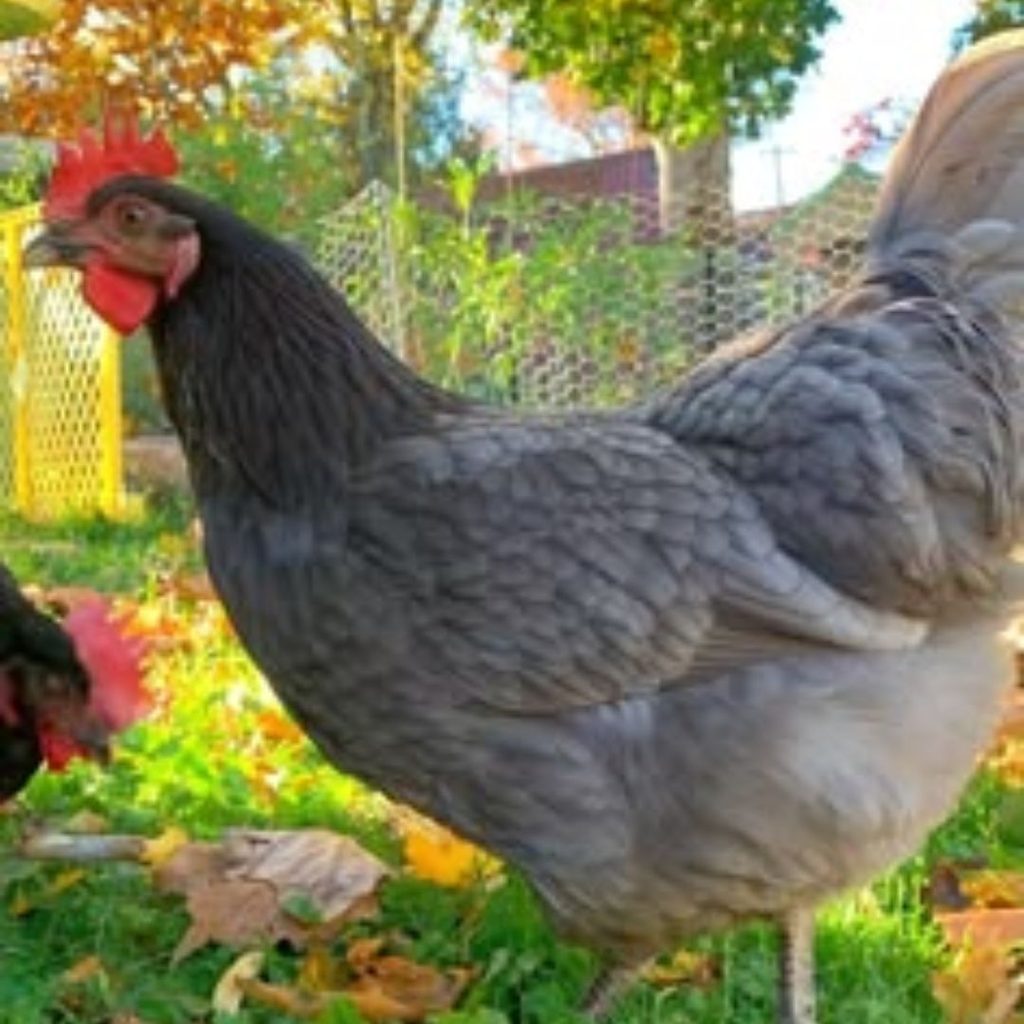
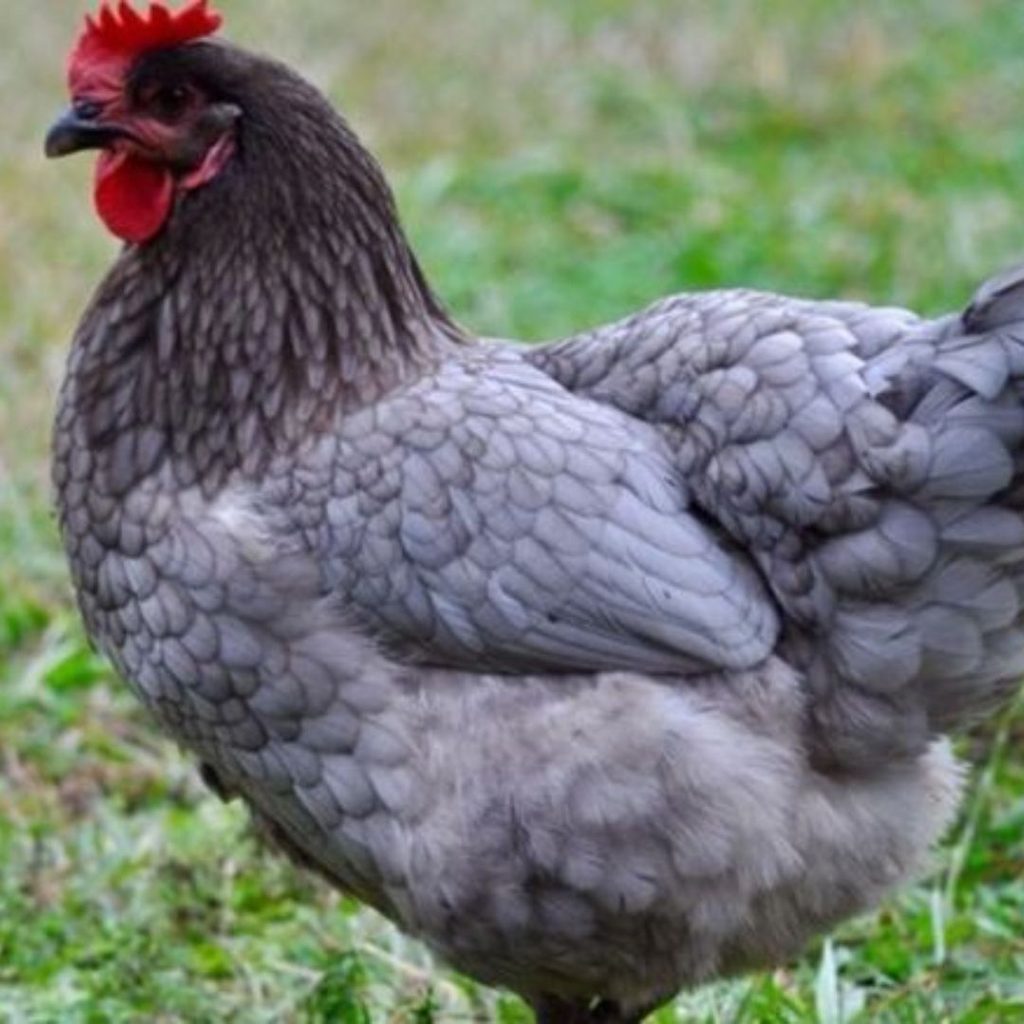
This chicken’s biggest selling point after eggs is its look. The name “sapphire” comes straight from its striking blue-gray feathers.
Blue-Gray, Lavender, or Slate? Understanding the Color Terms
Hatcheries and owners describe this bird’s color in several ways:
Blue-gray
Lavender
Slate
Light grey
These terms all point to the same base color family. Genetics in poultry naturally produce this range, so you’ll see some individual variation from bird to bird.
Hen vs. Rooster: Feather Patterns and Comb Differences
Hens and roosters look noticeably different once they mature.
Trait
Hen
Rooster
Body color
Solid blue-gray
Lighter overall shade
Neck feathers
Golden or copper “necklace”
Minimal or absent
Body pattern
Mostly solid
White barring or speckling
Comb size
Smaller
Larger, brighter red
The golden necklace around a hen’s neck creates a strong contrast against her blue-gray body, which is exactly where the sapphire nickname comes from.
Sexing Chicks: White Dots, Leg Color, and What to Expect at Hatch
Sapphire Gems are sex-linked, so you can tell males from females the moment they hatch.
Female chicks: solid dark gray or blue, with dark legs
Male chicks: lighter gray, often with a white spot or dot on the head or wings, and sometimes yellow legs
This trait makes the breed popular with backyard keepers who want female layers without waiting weeks to confirm gender.
Size and Weight: How Big Do Sapphire Gem Chickens Get?
Sapphire Gems fall into the medium to medium-large size category. Weight varies slightly by hatchery line, but general ranges look like this:
Hens: 4 to 6 pounds
Roosters: 5 to 8 pounds
Both sexes carry an upright build with clean legs and a single red comb. The weight range depends partly on genetics and partly on how the individual hatchery bred the line.
Egg Production: Everything You Need to Know
Egg output drives most of the demand for this breed. Sapphire Gems consistently rank among the strongest production hybrids available to backyard keepers.
Egg Color: Brown, Not Blue
Here’s the fact that trips up more new owners than anything else: Sapphire Gems lay brown eggs, not blue eggs. The shade ranges from light brown to tinted, and some eggs carry a pinkish-brown tone.
Confusion happens because a different bird, sometimes marketed as Sapphire or Sapphire Jewel, does lay blue eggs. That’s a separate hybrid, often white-feathered, sold by different hatcheries like Meyer Hatchery. If your “Sapphire Gem” produces blue eggs, you likely have a different bird or a mislabeled chick.
Egg Size and Annual Yield
Sapphire Gem hens lay large to extra-large eggs. Annual output typically runs:
260 to 290 eggs per year
Some hatcheries report up to 300 eggs in ideal conditions
5 to 6 eggs per week at peak production
When Do Sapphire Gem Hens Start Laying?
Most Sapphire Gem hens start laying between 18 and 24 weeks old. That equals about 4.5 to 6 months.
Some hens mature early and begin laying at 16 weeks. Others may take closer to 24 weeks.
Nutrition, season, and individual development can all affect when a hen starts laying. So, don’t expect every Sapphire Gem to begin at the same age.
Winter Laying and Consistency
Sapphire Gems continue laying during the colder months better than many heritage breeds.
Their production-focused genetics support steady egg output even when daylight hours decrease. This trait makes them a strong choice if you want a reliable supply of eggs throughout the year.
Temperament and Behavior: Are Sapphire Gems Good for Beginners?
Yes. Owners and hatcheries consistently describe Sapphire Gems as docile, calm, and easy to handle.
Their manageable temperament makes them well suited to people raising chickens for the first time.
Docile, Friendly, and Family-Safe
Sapphire Gems adapt well to families, children, and mixed flocks. They rarely show aggression.
Most individuals also become comfortable with regular handling. Their friendly nature helps make them easier for families and beginners to manage.
This temperament is one reason hatcheries market the breed specifically to first-time chicken keepers.
There is one practical concern to keep in mind. Sapphire Gems may react more slowly to predators because of their calm nature.
Flightier breeds may bolt as soon as they sense danger. Sapphire Gems may not flee as quickly. That slower reaction can leave them more exposed.
For this reason, secure coops and runs are especially important. A well-protected enclosure can help keep Sapphire Gems safe from predators.
Foraging Habits and Activity Levels
Sapphire Gems stay active without becoming flighty or difficult to manage. They enjoy exploring their run and looking for things to investigate.
They scratch through the ground for bugs and also explore new spaces and stay busy throughout the day.
If you free-range your flock, expect Sapphire Gems to wander and forage steadily. They will explore the area and search for food as they move around.
However, the free-range area must remain protected from predators. Their calm behavior can make them slower to escape when danger appears.
Rooster Temperament: Calm Protectors or Potential Trouble?
Sapphire Gem roosters generally stay calm, matching the breed’s overall reputation. That said, individual roosters can turn protective when they sense a threat to the flock. Temperament varies bird to bird, so don’t assume every rooster behaves identically.
Care Requirements: Coop, Space, Feed, and Climate
Sapphire Gems don’t need specialized care, but a few details matter for keeping them healthy and productive.
Coop and Run Space Recommendations
Give your birds enough room to move without crowding:
Coop space: at least 4 square feet per bird
Run space: at least 10 square feet per bird, more if possible
Because Sapphire Gems forage actively, extra run space pays off in better behavior and lower stress across your flock.
Roosts, Nest Boxes, and Layout Tips
Provide 8 to 10 inches of roost space per bird
Set roosts 2 to 3 feet high, since this breed can fly reasonably well
Use standard 12×12 inch nest boxes
Keep one nest box for every 3 to 4 hens
Feed, Calcium, and Nutrition for High Egg Production
A quality layer feed supports the Sapphire Gem’s demanding laying schedule. Choose a complete feed that meets the nutritional needs of laying hens.
Add free-choice oyster shell or another high-calcium supplement. This helps maintain strong eggshells while hens continue producing eggs at a high rate.
Sapphire Gems also forage well. Giving them access to pasture, bugs, and fresh greens can supplement their regular diet.
Foraging adds variety and provides extra nutrients that chickens enjoy. However, it should not replace a complete layer feed.
Keep providing a balanced layer diet even when your birds spend time foraging. Pasture, insects, and greens work best as supplements rather than as the main source of nutrition.
Cold Hardiness, Heat Tolerance, and Single-Comb Considerations
Sapphire Gems handle both cold and hot climates well. This makes them a flexible choice for keepers in different regions.
Their single comb does create one concern in extreme cold. The comb can develop frostbite if the coop lacks proper ventilation or stays damp.
Good winter coop management helps reduce this risk. Keep the coop dry and well ventilated throughout the colder months.
Pay close attention to both the comb and wattles. Protecting these exposed areas from moisture and severe cold can help prevent cold damage.
Health, Lifespan, and Common Issues
This breed earns a reputation for solid health with few breed-specific problems.
Typical Lifespan: 5 to 10 Years With Proper Care
Most Sapphire Gems live 5 to 7 years, though some reach 10 years or beyond under excellent care. Egg production naturally declines as hens age, even if they continue living well past their peak laying years.
Parasites, Mites, Lice, and Worms
Like all chickens, Sapphire Gems face risk from external and internal parasites:
Lice and mites, including scaly leg mites
Internal worms
Regular coop cleaning, dust baths, and periodic health checks catch these issues early, before they affect egg production or overall health.
Diseases to Watch For
Watch for common poultry diseases that affect any breed, not just this one:
Coccidiosis
Fowl cholera
Fowl pox
Avian influenza
None of these are unique to Sapphire Gems, but a proactive approach to biosecurity and coop hygiene reduces risk across your whole flock.
Broodiness: How Often Do Sapphire Gems Go Broody?
Sapphire Gems rarely go broody. Breeders developed this hybrid for high egg production, not strong mothering instincts.
As a result, most hens continue laying instead of sitting on a nest and trying to hatch eggs. They focus on production rather than raising chicks.
If you want a hen that naturally incubates eggs, the Sapphire Gem is not the right choice for that job.
Sapphire Gem vs. Other “Sapphire” Chickens
Confusion between similarly named breeds trips up a lot of new keepers. Here’s how to tell them apart.
Breed
Feather Color
Egg Color
Origin
Sapphire Gem
Blue-gray/lavender
Brown
Czech Republic hybrid, Hoover’s Hatchery
Sapphire / Sapphire Jewel
Often white
Blue
Different hybrid, sold by other hatcheries
Sapphire Splash
Varies
Varies
Separate hybrid line
Production Blue
Blue-toned
Brown
Blue Australorp × Rhode Island Red cross
Why Your “Sapphire Gem” Might Be Laying Blue Eggs
If your chicken lays blue eggs but the seller identified it as a Sapphire Gem, one of two things likely happened.
The hatchery may have made a labeling mistake. Or, you may actually have a different hybrid, such as a Sapphire or Sapphire Jewel.
Genuine Sapphire Gems consistently lay brown eggs. They do not normally produce blue eggs.
So, if your supposed Sapphire Gem lays blue eggs, that points to a different bird rather than a normal variation in Sapphire Gem egg color.
Where to Buy Sapphire Gem Chickens and What to Expect
Hoover’s Hatchery and Other Sources
Hoover’s Hatchery developed the Sapphire Gem and remains the primary trademark holder for the name.
You can also find Sapphire Gems through farm stores such as Tractor Supply. These stores often carry Hoover’s stock.
A handful of other hatcheries also sell birds that source or replicate the same cross. Because different sellers may use similar names, check the source before you buy.
Pricing, Availability, and Sex-Linked Chick Options
Hatcheries typically sell Sapphire Gems as day-old chicks. Some sellers also offer pullets.
Buying a pullet lets keepers skip the brooder stage. This option can appeal to people who want to start with older birds instead of raising chicks from their first days.
The breed is sex-linked. This allows hatcheries to identify and sell sexed female chicks with confidence.
That option strongly appeals to backyard keepers who want eggs. They can focus on raising hens instead of managing unwanted roosters.
Genetics can vary slightly between hatcheries that sell birds under the same trademarked name. If consistent traits matter to you, ask the seller about the parent stock before buying.
This question can give you a clearer picture of what to expect from the chicks you purchase.
Frequently Asked Questions
What color eggs do Sapphire Gem chickens lay?
Sapphire Gems lay large to extra-large brown eggs, not blue eggs.
How many eggs do Sapphire Gem chickens lay per year?
Most hens produce 260 to 290 eggs annually, with some reaching 300 under ideal conditions.
Are Sapphire Gem chickens good for beginners?
Yes, their calm temperament, hardiness, and easy care make them a strong beginner choice.
Do Sapphire Gem chickens go broody?
Rarely. Breeders selected this hybrid for consistent laying, not for mothering behavior.
How long do Sapphire Gem chickens live?
Most live 5 to 7 years, though some reach 10 years or more with excellent care.
Conclusion
The Sapphire Gem chicken combines striking blue-gray plumage, a genuinely friendly temperament, and one of the strongest egg-laying records you’ll find in a backyard hybrid, and as long as you keep its coop secure, its comb protected from frostbite, and your expectations clear about brown eggs instead of blue, this bird makes a rewarding addition to almost any flock.
I’m a passionate pet writer who loves sharing practical tips, trusted advice, and heartwarming stories about cats, dogs, and other beloved companions. Through PetCaffine.com, I help pet lovers better understand their furry friends with easy-to-read articles on pet care, nutrition, behavior, health, and everyday life.