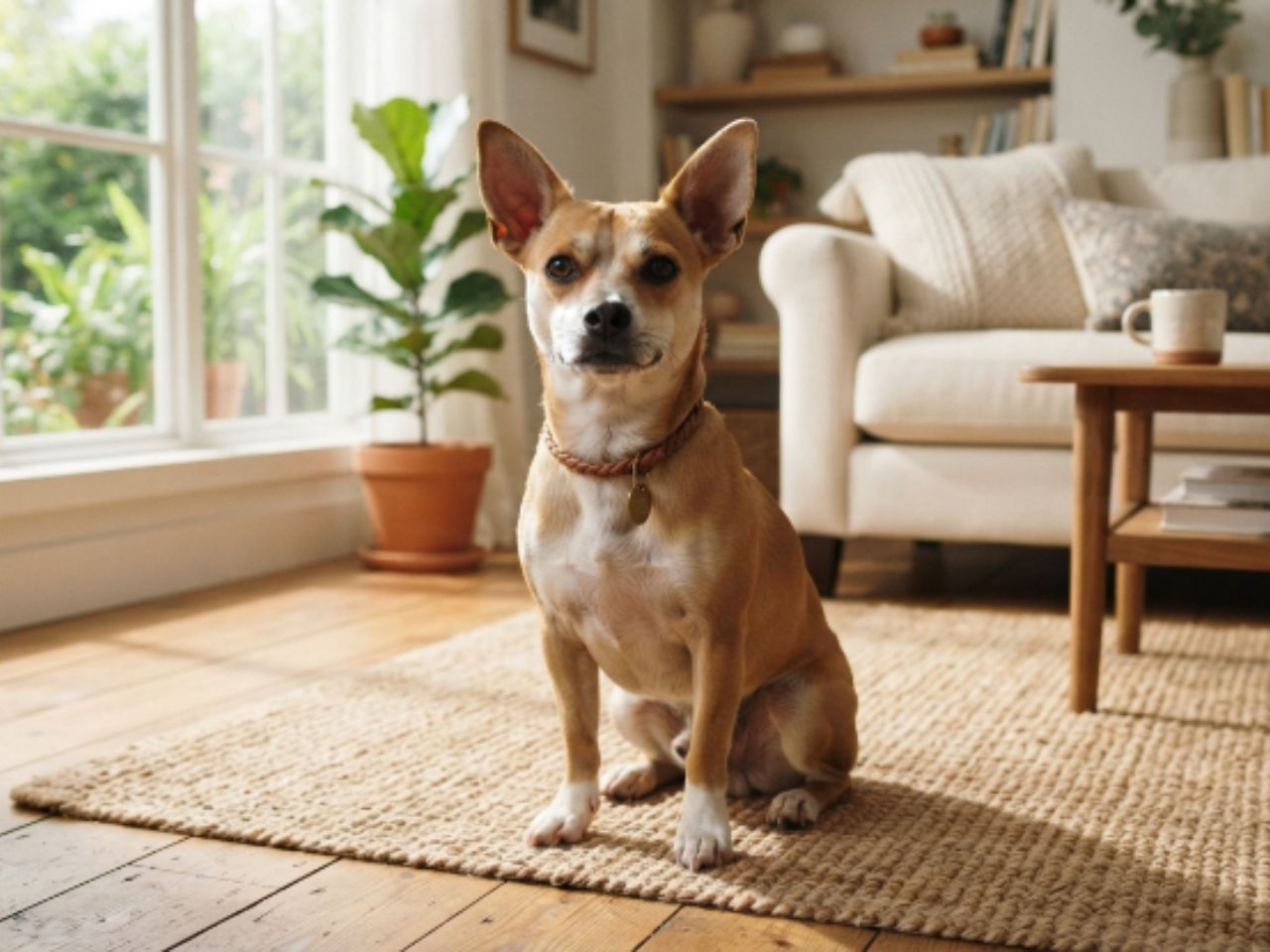
A Chipit is a mix of a Chihuahua and an American Pit Bull Terrier. This small-to-medium dog can have a muscular body and a bold personality. Chipits are often affectionate, playful, alert, and very attached to their owners. Their size, coat, energy, and temperament can vary widely from dog to dog. Early training and socialization are important for this intelligent but sometimes stubborn mix. With proper care, a Chipit can become an active and loving family companion.
A Chipit is a mix of a Chihuahua and an American Pit Bull Terrier. You may also hear names such as Pithuahua, Chi-Pit, Chitbull, or Chihuabull. The Chipit is a hybrid dog, not a breed recognized by the American Kennel Club.
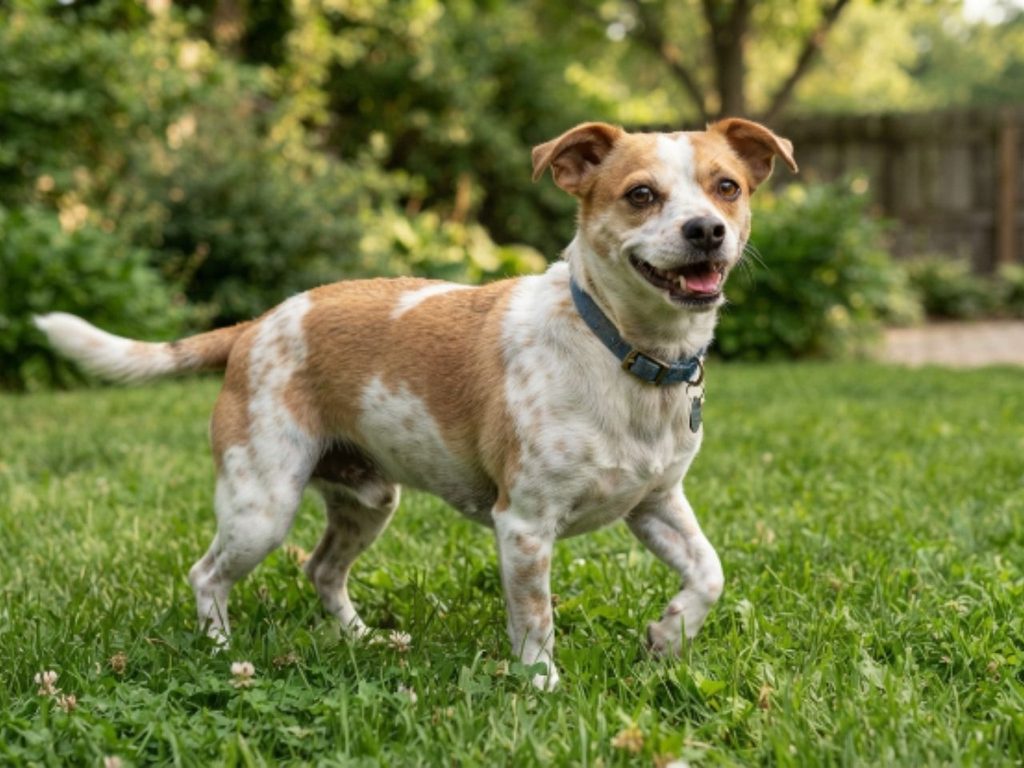
Because its parent breeds differ greatly in size and appearance, Chipits can look very different from one another. Some have a compact, muscular build. Others show more Chihuahua-like features.
This natural variation matters when choosing a Chipit puppy. You cannot predict every physical or behavioral trait from the parents alone.
Is a Chipit a Designer Dog?
People often describe the Chipit as a designer dog or hybrid. It does not have the fixed breed standard that defines an established purebred.
Some designer-dog registries may accept Chipits for registration. That does not make the mix an AKC-recognized breed.
You can also find Chipits in shelters and rescue groups. These dogs may appear under labels such as Chihuahua mix, Pit Bull mix, or mixed breed.
Chipit Origins and History
The Chipit does not have a clearly documented origin. Breeders and owners began seeing more Chihuahua and Pit Bull mixes during the rise of designer dogs in the late 1990s and early 2000s. The history of the two parent breeds gives us a better picture of the Chipit’s background.
The Chihuahua has deep roots in Mexico. Historical accounts connect the breed with small companion dogs such as the Techichi.
The American Pit Bull Terrier has a different history. Its ancestors took part in blood sports before people later used these dogs for farm work, companionship, and other working roles.
The Chipit brings these two very different backgrounds together. The result can be a compact, muscular dog with strong energy, confidence, and a close bond with its family.
Chipit Size and Appearance
Chipit size can vary considerably because the parents differ greatly in body structure.
TraitTypical Chipit rangeHeightAbout 12–18 inchesWeightAbout 15–35 poundsCoatUsually short and smoothSheddingLow to moderateLifespanCommonly around 10–13 yearsBuildCompact, athletic, and muscular
These figures are general estimates rather than breed standards. Individual Chipits can fall outside them.
Body structure
Many Chipits have a compact frame, broad chest, strong legs, and noticeable muscle. Some have a relatively large head compared with their body, while others inherit a narrower Chihuahua-like face.
Their appearance can create a “small dog with a big dog attitude” impression.
Coat type and colors
Most Chipits have a short coat that is relatively easy to maintain. However, a long-haired Chihuahua parent can introduce a longer or more feathered coat.
Common colors and patterns include:
Black
White
Fawn
Red
Tan
Brindle
Blue or gray
Gold
Mixed or patched patterns
A Chipit is not hypoallergenic. Even a short-haired dog can shed dander and trigger allergies.
Chipit Temperament and Personality
Chipit temperament depends on genetics, early experiences, training, socialization, and the individual dog.
Many Chipits are affectionate and strongly bonded to their owners. They may follow family members around the house and seek frequent interaction. This is why owners sometimes describe them as “Velcro dogs.”
They can also be energetic, playful, curious, and confident.
Are Chipits aggressive?
It is not accurate to assume that a Chipit is naturally aggressive because one parent is a Pit Bull-type dog.
Behavior is influenced by genetics, environment, socialization, learning, handling, and individual temperament. A poorly socialized dog of any breed or mix can develop fear, reactivity, or aggressive behavior.
A Chipit may, however, be protective or suspicious of unfamiliar people. Chihuahua influence can also contribute to alert barking and territorial behavior.
The goal should not be to make a dog “tough.” It should be to teach calm responses, reliable obedience, and appropriate boundaries.
Intelligence and stubbornness
Chipits can learn quickly but may have an independent streak. Repeating the same exercise for too long can make training boring.
Short sessions work well. Reward the behavior you want, keep expectations consistent, and avoid confusing rules.
Are Chipits Good Family Dogs?
A well-socialized Chipit can live successfully with a family, but supervision and responsible management are essential.
Chipits and children
Chipits can enjoy playing with older children who understand how to handle dogs respectfully.
Young children should always be supervised around a dog. A small or medium-sized dog can become frightened if hugged, chased, cornered, or disturbed while eating or sleeping.
Teach children to:
Avoid pulling ears or tails.
Leave the dog alone while eating.
Respect its sleeping area.
Use calm play.
Ask before touching unfamiliar dogs.
Chipits and Other Dogs
Some Chipits enjoy playing with other dogs. Others prefer a small circle of canine companions.
Early socialization can improve a Chipit’s social skills. However, it does not guarantee that your dog will get along with every dog.
Start with calm, controlled introductions. Avoid taking a new Chipit straight into a crowded dog park. Give the dogs time to meet and adjust in a safe setting.
Chipits With Cats and Small Pets
Chipits may have a strong prey drive. This can make life with cats, rabbits, rodents, and other small pets more challenging.
If you have several pets, introduce them slowly. Use baby gates, crates, or separate rooms when needed. Always supervise their interactions.
Never assume two pets are safe together just because they seem calm at first. Watch their behavior closely and give each animal a safe space.
Chipit Training and Socialization
Training should begin as soon as a Chipit puppy arrives home.
Positive reinforcement is a practical approach. Reward desired behavior with food, praise, play, or another reward the dog values.
Start with essential commands
Focus first on:
Name recognition
Sit
Come
Stay
Leave it
Drop it
Loose-leash walking
Keep sessions short and finish while the dog is still interested.
Prevent barking and jumping
Chipits may become vocal when excited, bored, or alerting you to something outside.
Do not reward barking by giving attention every time it occurs. Instead, teach a calm alternative, such as going to a mat or looking at you when someone approaches the door.
Jumping should be handled similarly. Reward four paws on the floor instead of pushing the dog away or turning the behavior into a game.
Socialization checklist
During puppyhood, gradually introduce your Chipit to:
Different people
Friendly, vaccinated dogs
Household sounds
Car rides
Different floor surfaces
Grooming and handling
Collars and harnesses
Calm public environments
The goal is positive exposure, not overwhelming the puppy.
Chipit Exercise and Enrichment Needs
Most adult Chipits need regular physical activity and mental stimulation. A useful starting point is about 30–60 minutes of activity per day, divided according to age, health, weather, and individual energy level.
Puppies need shorter periods of activity with plenty of rest. Senior dogs may need gentler exercise.
Good activities include:
Walking
Fetch
Tug with rules
Scent games
Puzzle feeders
Basic obedience games
Supervised agility-style exercises
Mental exercise matters just as much as physical exercise for some Chipits. A dog that receives walks but spends the rest of the day bored may still chew, bark, dig, or find other ways to entertain itself.
Are Chipits Good Apartment Dogs?
A Chipit can live in an apartment if you meet its daily exercise, training, and mental stimulation needs.
Barking and separation issues can cause bigger problems in an apartment. So can a lack of daily activity. Check your lease before bringing home a Chipit. Some properties restrict Pit Bull-type dogs by breed or weight.
Chipit Puppy Care
A Chipit puppy needs a clear and consistent routine from day one.
Feeding a Puppy
Choose a complete and balanced puppy food that matches the puppy’s expected adult size. Avoid choosing food based only on a general “high-protein” goal.
Puppies need smaller, more frequent meals than adult dogs. Very young puppies may need three or four meals each day. As they grow, you can gradually reduce the number of meals.
Ask your veterinarian to set the right portion size. They can consider your puppy’s growth, body condition, activity level, and the food’s calorie content.
House and crate training
Take puppies outside frequently, especially after:
Waking
Eating
Drinking
Playing
Napping
A crate can provide a safe resting space and make house training easier. It should never be used as punishment.
Veterinary care
Your puppy should receive veterinary examinations, vaccinations, parasite prevention, and other recommended care according to an individualized schedule.
Discuss microchipping, dental care, spaying or neutering, and future preventive care with your veterinarian rather than following a fixed internet timetable.
Chipit Grooming Needs
Most Chipits are relatively easy to groom.
A short-coated dog usually benefits from weekly brushing. Longer-coated individuals may need brushing several times a week to prevent tangles.
Basic grooming routine
Brush the coat regularly.
Bathe when dirty or when your veterinarian recommends it.
Trim nails before they become overgrown.
Check ears regularly.
Brush teeth several times a week, ideally more often if tolerated.
Monitor the skin for redness, itching, hair loss, or irritation.
Frequent unnecessary bathing can dry the skin, so use a dog-safe shampoo and avoid harsh products.
Chipit Health Problems and Lifespan
A Chipit typically lives about 10–13 years. Some dogs live shorter lives, while others live longer.
Mixing two breeds does not remove inherited health risks. A Chipit can inherit health problems from either parent.
Common Health Concerns
Chipits may face several health problems, including:
Patellar luxation: The kneecap slips out of its normal position. This problem often affects small dogs.
Hip dysplasia: Poor hip joint development can cause pain, stiffness, and arthritis.
Dental disease: A small mouth can crowd the teeth. Crowded teeth can trap plaque and increase the risk of dental problems.
Heart problems: Some Chipits may develop heart conditions from birth or later in life. Regular veterinary checkups can help detect these problems early.
Skin allergies: Allergies can cause itching, redness, repeated ear problems, and other skin issues.
Eye disorders: Cataracts and other inherited or age-related eye problems can affect some dogs.
Other reported concerns include collapsed trachea, hypoglycemia, hydrocephalus, and other disorders. These conditions remain possible risks, not problems every Chipit will develop.
Color Dilution Alopecia
Some dogs with dilute coat colors can develop color dilution alopecia. This condition affects the hair and skin because of abnormal pigmentation.
A dog’s coat color alone cannot confirm the condition. Persistent hair loss, bald patches, or skin irritation requires a veterinary checkup.
Does Hybrid Vigor Make Chipits Healthier?
Not always.
Genetic diversity can lower the risk of some inherited conditions. However, crossing two breeds does not guarantee better health. A Chipit can still inherit health problems from either parent.
Good breeding practices matter. So do health screening, regular veterinary care, a healthy weight, proper nutrition, exercise, and daily care.
Feeding and Nutrition for Adult Chipits
Adult Chipits need a complete and balanced diet that fits their size, age, and activity level.
Do not choose food based only on its protein percentage. A dog’s nutritional needs depend on the entire diet, calorie intake, life stage, and overall health.
Watch portion sizes closely. Extra weight puts more stress on the joints and can increase other health risks.
Keep treats as a small part of your dog’s daily calories.
If your Chipit gains or loses weight without a clear reason, contact your veterinarian.
Male vs. Female Chipits
Male and female Chipits do not follow a fixed personality pattern.
Some males may grow larger than some females. An unspayed female will also go through heat cycles. However, marking and territorial behavior can occur in both sexes.
Focus on the individual dog when choosing a Chipit. Health, training, socialization, reproductive status, and personality often matter more than sex alone.
Chipit Adoption vs. Buying
If you want a Chipit, check local shelters and rescue groups before looking for a breeder.
Pit Bull-type mixes and Chihuahua mixes are commonly represented in shelters, and some dogs may have the Chipit combination without being labeled that way.
If adopting
Ask about:
Age and estimated adult size
Medical history
Vaccination status
Behavior around dogs
Behavior around children
Cat compatibility
Known bite or reactivity history
Current training
Energy level
If buying from a breeder
A responsible breeder should be willing to discuss the health and temperament of both parent dogs.
Be cautious if a seller:
Cannot show where the puppies are raised.
Avoids health questions.
Has many unrelated litters available.
Pressures you to pay quickly.
Makes guarantees about temperament or health.
Uses labels such as “micro Chipit” primarily to justify an unusually high price.
Reported Chipit prices vary widely, but purchase price should never be the only financial consideration. Food, veterinary care, training, grooming, supplies, licensing, and potential insurance costs can continue for years.
Legal and Housing Considerations
Before bringing home a Pitbull Chihuahua mix, check local regulations and your housing agreement.
Some landlords, insurers, homeowners associations, and municipalities have restrictions involving Pit Bull-type dogs or mixes. Rules can differ by location and may change over time.
Do not assume that calling the dog a “Chihuahua mix” will bypass a restriction. Some policies use physical characteristics or ancestry rather than the label on adoption paperwork.
Also check local rules for public spaces and dog parks.
Common Chipit Myths
“Pit Bulls have locking jaws”
The idea that Pit Bulls have a special jaw-locking mechanism is a myth. Their jaws do not contain a unique locking structure.
“Every Chipit will be aggressive”
No. A mixed breed does not have one guaranteed temperament. Individual genetics, socialization, training, environment, and experiences all influence behavior.
“Small dogs do not need training”
Small dogs need training just as much as larger dogs. Poor leash manners, jumping, barking, resource guarding, and reactivity can become difficult regardless of body size.
“Designer mixes are automatically healthier”
There is no guarantee. Genetic diversity can have benefits, but inherited disorders remain possible.
Who Is a Chipit Best Suited For?
A Chipit may suit someone who wants an affectionate, active companion and is prepared to provide consistent training.
It can work for an apartment or house, provided the dog’s needs are met and local housing rules allow the mix.
A Chipit may be more challenging for a household where the dog will regularly spend long periods alone, receive little exercise, or have unrestricted access to unfamiliar pets.
The most important question is not simply whether a Chipit is “good” or “bad” for a particular home. It is whether the individual dog’s temperament and needs match the household’s lifestyle.
Chipit Care Calendar
A simple routine keeps Chipit care organized and manageable.
Daily: Give measured meals, provide exercise, practice training, offer mental enrichment, and watch for changes in behavior.
Several times a week: Brush your dog’s teeth. Check the ears, paws, nails, and skin for problems.
Weekly: Brush the coat and introduce different enrichment activities to prevent boredom.
Monthly or as needed: Bathe your Chipit, check the nails, review parasite prevention, and replace damaged or worn toys.
At regular veterinary visits: Keep vaccinations up to date, schedule wellness exams, check dental health, maintain parasite prevention, and complete age-appropriate health screenings.
Senior Chipit Care
Older Chipits may need a few changes to their daily routine.
If your dog develops joint pain, reduce high-impact exercise. Keep your Chipit moving with gentle, low-impact activities that support mobility.
Pay closer attention to dental health, weight, heart function, vision, and signs of arthritis as your dog ages.
Give your senior Chipit a comfortable bed and make the home easier to navigate. Ramps, non-slip floors, and protection from extreme temperatures can improve comfort and safety.
Contact your veterinarian if you notice major changes in appetite, thirst, movement, breathing, behavior, or weight.
Frequently Asked Questions
How Big Do Chipits Get?
Most Chipits stand about 12–18 inches tall and weigh around 15–35 pounds. Individual dogs can fall outside this range.
Are Chipits Good With Kids?
Chipits can make good family companions with proper training and socialization. Always supervise young children when they interact with any dog.
Do Chipits Bark a Lot?
Some Chipits bark often because they are alert and territorial. Consistent training and good management can help reduce unnecessary barking.
How Much Exercise Does a Chipit Need?
Most healthy adult Chipits need about 30–60 minutes of daily activity plus mental stimulation. Adjust exercise based on your dog’s age, health, and fitness level.
What Are Common Chipit Health Problems?
Common concerns include patellar luxation, hip dysplasia, dental disease, heart conditions, allergies, and some eye disorders.
Conclusion
The Chipit is a unique mix of a Chihuahua and American Pit Bull Terrier. This lively dog can combine a compact build with energy, confidence, and affection. However, its appearance and personality can vary from one dog to another. Focus on the individual dog’s health, behavior, and needs rather than breed labels alone. Early socialization, positive training, regular exercise, good nutrition, dental care, and routine veterinary visits can support a healthy life. With the right care and a suitable home, a Chipit can become a loyal and loving companion for many years.
I’m a passionate pet writer who loves sharing practical tips, trusted advice, and heartwarming stories about cats, dogs, and other beloved companions. Through PetCaffine.com, I help pet lovers better understand their furry friends with easy-to-read articles on pet care, nutrition, behavior, health, and everyday life.







1 thought on “Chipit (Pitbull & Chihuahua Mix): Complete Breed Guide”