Are Fake Plants Safe for Cats at Home? Everything You Need to Know Before You Buy
If your cat treats every houseplant like a toy, you’re not alone. Many cat owners get tired of cleaning up knocked-over pots or worrying about toxic plants. That’s why fake plants often seem like the perfect solution. They stay green all year, don’t need watering, and can’t be killed by an energetic feline. Still, before filling your home with artificial greenery, it’s worth understanding the benefits and the possible risks.
The good news is that fake plants are generally a safer option than many real houseplants. However, “safer” doesn’t always mean completely harmless. The materials used, the quality of the plant, and your cat’s behavior all play a role in determining whether an artificial plant is truly safe in your home.
Real plants naturally contain chemicals, and some of those chemicals can be harmful or even life-threatening to cats. Popular plants such as lilies and sago palms are well known for their toxicity. Fake plants are different because they’re made from materials like plastic, silk, polyester, or fabric instead of living plant tissue.
Since artificial plants don’t contain natural toxins, they won’t poison your cat the way certain real plants can. That’s one of their biggest advantages. Even so, they can still create other safety concerns if a curious cat decides to chew, pull, or swallow parts of them.
Are Fake Plants Actually Safe for Cats?
For most homes, the answer is yes. Artificial plants are usually a safer choice than toxic live plants, but their safety depends on the quality of the product and your cat’s habits.
A well-made silk plant with securely attached leaves is far less likely to cause problems than a cheaply made plastic decoration with loose pieces or exposed wire. Some cats simply ignore fake plants, while others see them as something fun to bite, climb, or bat around. If your cat enjoys chewing on household items, you’ll need to be more careful when choosing decorative plants.
The Real Risk Isn’t Poison; It’s Physical Harm
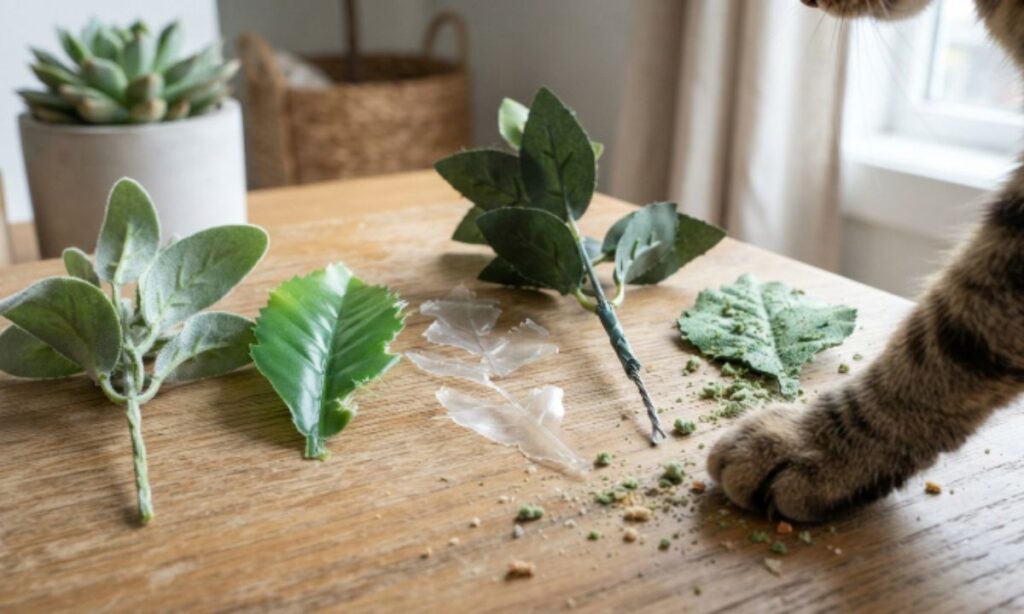
The biggest concern with fake plants isn’t toxicity. It’s the possibility of physical injury if your cat chews or swallows pieces of the plant.
Keep these risks in mind:
Small leaves or flower petals can become a choking hazard.
Swallowed plastic or fabric pieces may cause a blockage in the stomach or intestines.
Hidden wire stems can injure the mouth or digestive tract if chewed and swallowed.
Low-quality paints, dyes, glitter, or surface coatings may irritate your cat’s mouth or upset its stomach.
These problems aren’t common in every household, but they are possible. Buying sturdy, well-made artificial plants and checking them regularly for damage can reduce the chances of an accident.
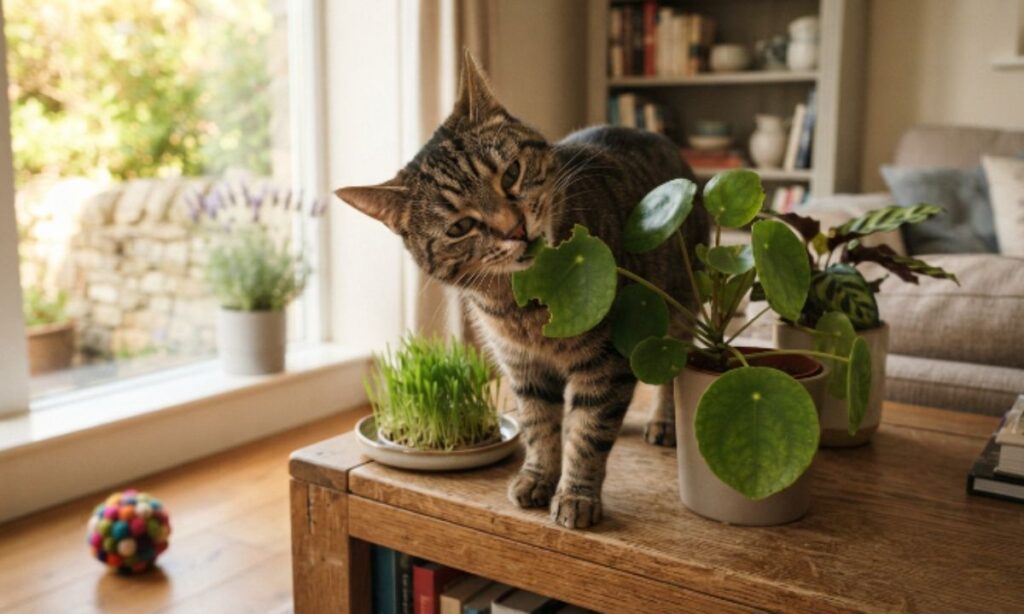
Why Cats Chew on Plants in the First Place
Understanding why cats chew on plants makes it easier to stop the behavior instead of constantly replacing decorations.
Cats may nibble on plants for several reasons:
Boredom: Cats without enough playtime or mental stimulation often look for something interesting to investigate.
Curiosity: Soft leaves and unusual textures encourage cats to explore with their mouths.
Instincts: Many cats have an instinct to nibble on greenery, even if they aren’t hungry.
Movement: Hanging vines or swaying leaves can trigger a cat’s hunting instincts, making them irresistible to chase and bite.
If your cat already chews real plants, there’s a good chance it will test fake ones too. Instead of hoping your cat loses interest, place artificial plants out of reach, provide safe chew toys, and schedule regular interactive play sessions. A busy, entertained cat is much less likely to turn your home décor into its next target.
Materials That Matter Most
Not all fake plants are built the same way. Before buying, check what the plant is actually made from.
Material
General Safety Level
Notes
Silk
Higher
Soft fibers, lower choking risk, but still not edible
Plastic (rigid)
Moderate
Durable, but sharp broken edges can form if chewed
Plastic (thin/flimsy)
Lower
Easier to tear into small swallowable pieces
Wire-stemmed
Lower
A metal core can injure the mouth or gut if exposed
Foam-based
Lower
Crumbles easily; small pieces are easy to swallow
If a product doesn’t list its materials clearly, that’s a warning sign. Reputable sellers disclose what their plants are made from, because pet owners specifically look for that information.
Real Plants That Are Actually Dangerous
One of the biggest reasons cat owners choose fake plants is to avoid the risks that come with certain real houseplants. While many indoor plants are harmless, some contain natural chemicals that can seriously affect a cat’s health. Even a small bite or a little pollen from the wrong plant can lead to an emergency.
Some of the most dangerous houseplants for cats include:
Lilies, including every variety and even small amounts of pollen
Sago palm
Pothos
Philodendron
Aloe vera
Hydrangea
Daffodil bulbs
If a cat eats part of one of these plants, symptoms may appear within a few hours. Watch for vomiting, excessive drooling, diarrhea, loss of appetite, weakness, or unusual tiredness. In severe cases, such as lily poisoning, kidney damage can develop quickly and requires immediate veterinary care. This is one of the main reasons many pet owners replace toxic houseplants with artificial ones. Fake plants remove the poisoning risk, even though they still need to be chosen and placed carefully.
How to Choose a Cat-Safe Fake Plant
Not every artificial plant is made the same. Spending a little extra time checking the product before buying can help you avoid unnecessary risks.
Check the product description.
Read the product details instead of looking only at the photos. Choose plants made from clearly listed materials, and look for descriptions mentioning non-toxic or pet-friendly materials. If the listing gives very little information about what the plant is made from, it’s usually better to choose another option.
Avoid Small Detachable Parts
Decorative berries, tiny flowers, and loose leaves may look realistic, but they can easily become choking hazards. Before buying, check whether these pieces are securely attached.
Choose Sturdy Construction
A high-quality artificial plant should stay together if your cat paws at it. Plants that shed leaves or break apart with light handling are more likely to create hazards around curious pets.
Think About Placement Before Buying
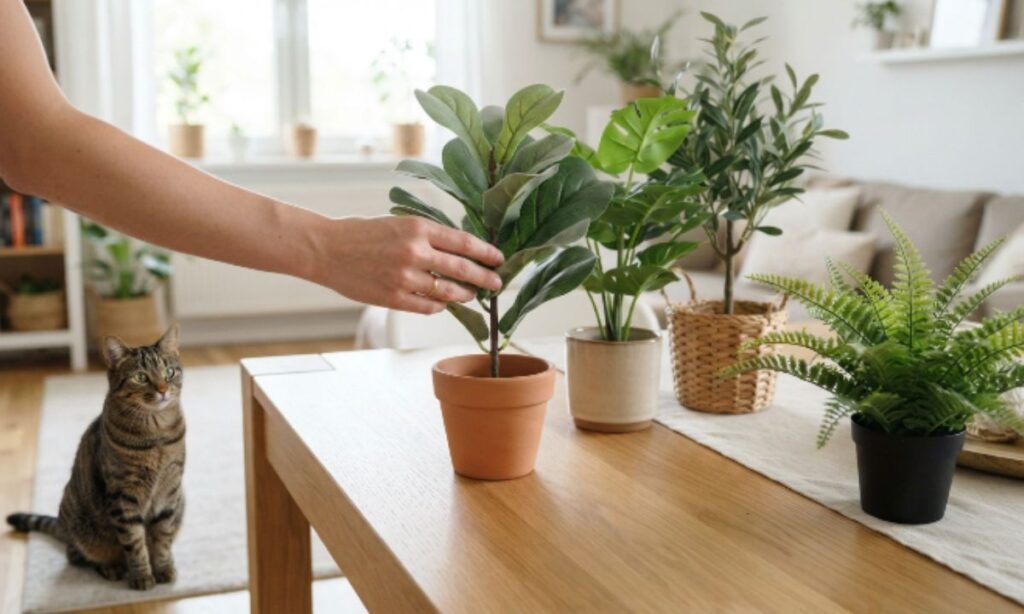
Consider where the plant will sit in your home. Long trailing vines may attract playful cats that love climbing and batting at moving objects. Compact tabletop plants placed in sturdy containers are often a better choice for homes with active cats.
Where to Place Fake Plants Safely at Home
Choosing a safe location is just as important as choosing the right plant. Good placement reduces temptation and lowers the chance of your cat chewing or knocking over decorations.
Here are a few simple tips:
Place plants on high shelves if your cat rarely jumps that high.
Keep decorative plants in rooms your cat doesn’t enter often if they’ve shown interest before.
Use heavy, stable pots that are less likely to tip over during play.
Avoid placing plants beside favorite window perches, where cats spend a lot of time watching birds and exploring nearby objects.
If your cat has a habit of chewing almost everything, remember that no location is completely foolproof. Keep an eye on new decorations until you’re confident your cat will ignore them.
What to Do If Your Cat Chews or Swallows Fake Plant Material
Finding bite marks on an artificial plant can be worrying, but staying calm is the best first step. Check your cat carefully and look around the plant to see if any pieces are missing.
If this happens:
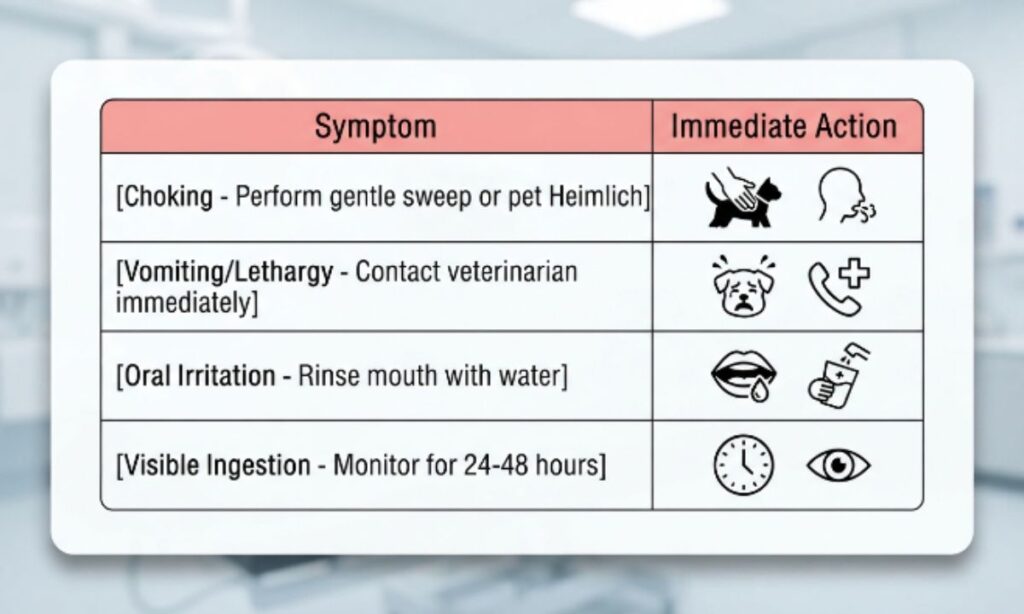
Check your cat’s mouth for visible pieces of plastic, fabric, or leaves.
Watch for choking signs such as gagging, coughing, pawing at the mouth, or difficulty breathing.
Monitor eating, drinking, litter box habits, and overall behavior over the next 24 to 48 hours.
Contact your veterinarian immediately if your cat vomits repeatedly, refuses food, becomes unusually tired, or struggles to pass stool.
If possible, bring a sample or photo of the artificial plant so your veterinarian knows exactly what material may have been swallowed.
Small bits of soft material often pass without causing problems, but larger pieces, rigid plastic, or hidden wire stems can create serious blockages or injuries. When in doubt, it’s always safer to have your cat examined rather than waiting for symptoms to become worse.
Fake Plants vs Cat-Safe Real Plants
Some cat owners prefer real greenery and simply choose cat-safe species instead of switching to fake plants entirely.
Factor
Fake Plants
Cat-Safe Real Plants
Poisoning risk
None
Low, if species is verified safe
Choking risk
Present with small parts
Present with leaves or stems
Maintenance
None
Requires watering and light
Realistic look
Improves with quality
Naturally authentic
Long-term cost
One-time purchase
Ongoing replacement
Both options can work well. The right choice depends on how much upkeep you want and how your specific cat behaves around greenery.
Frequently Asked Questions
Are fake plants poisonous to cats?
No, fake plants made from silk, plastic, or polyester don’t contain the natural toxins found in many real houseplants.
Can a cat get sick from chewing on a fake plant?
Yes, if they swallow a piece that causes choking or a digestive blockage, even though the material itself isn’t toxic.
What fake plant material is safest for cats?
High-quality silk plants from reputable brands are generally considered the safest option due to their soft texture and low choking risk.
How do I stop my cat from chewing on fake plants?
Place plants out of reach, offer cat grass or chew toys as an alternative, and use positive reinforcement to redirect the behavior.
Are fake trees safer than fake hanging plants for cats?
Yes, sturdy fake trees generally pose less risk than hanging plants, since hanging designs encourage jumping, swatting, and swinging.
Final Thoughts
Fake plants are a smart, low-maintenance way to keep your home green without worrying about plant poisoning, and for most cats, they’re a genuinely safer choice than toxic houseplants. The real work comes down to picking sturdy, well-made products, placing them thoughtfully, and paying attention to how your specific cat interacts with them. Do that, and you get the look of an indoor jungle without the vet bill.
I’m a passionate pet writer who loves sharing practical tips, trusted advice, and heartwarming stories about cats, dogs, and other beloved companions. Through PetCaffine.com, I help pet lovers better understand their furry friends with easy-to-read articles on pet care, nutrition, behavior, health, and everyday life.