Apple Head vs Deer Head Chihuahua: Complete Comparison Guide
Apple Head vs. Deer Head Chihuahua is a common search for people comparing Chihuahua puppies and adult dogs.
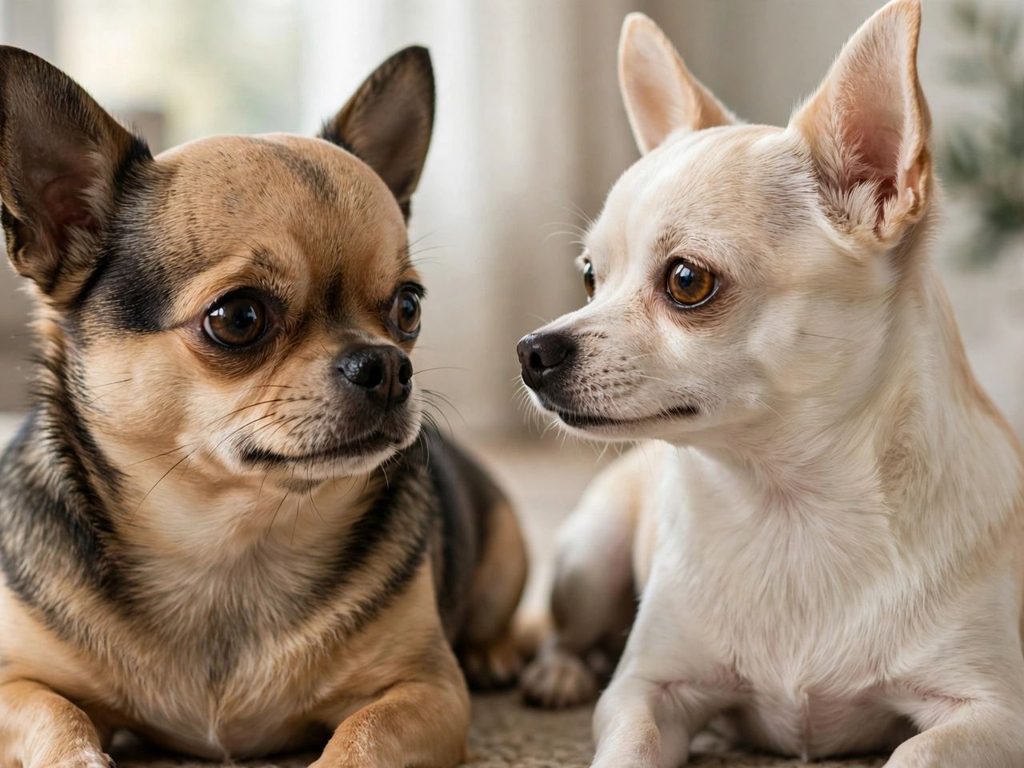
These terms describe appearance, not separate Chihuahua breeds. Apple Heads have a rounded skull, short muzzle, and sharp stop. Deer Heads have a narrower head, longer muzzle, and smoother facial slope.
The official Chihuahua standard recognizes the rounded, apple-domed head. “Deer Head” is an informal term and does not describe a separate breed. When choosing a Chihuahua, look beyond head shape. Health, temperament, and responsible breeding matter more.
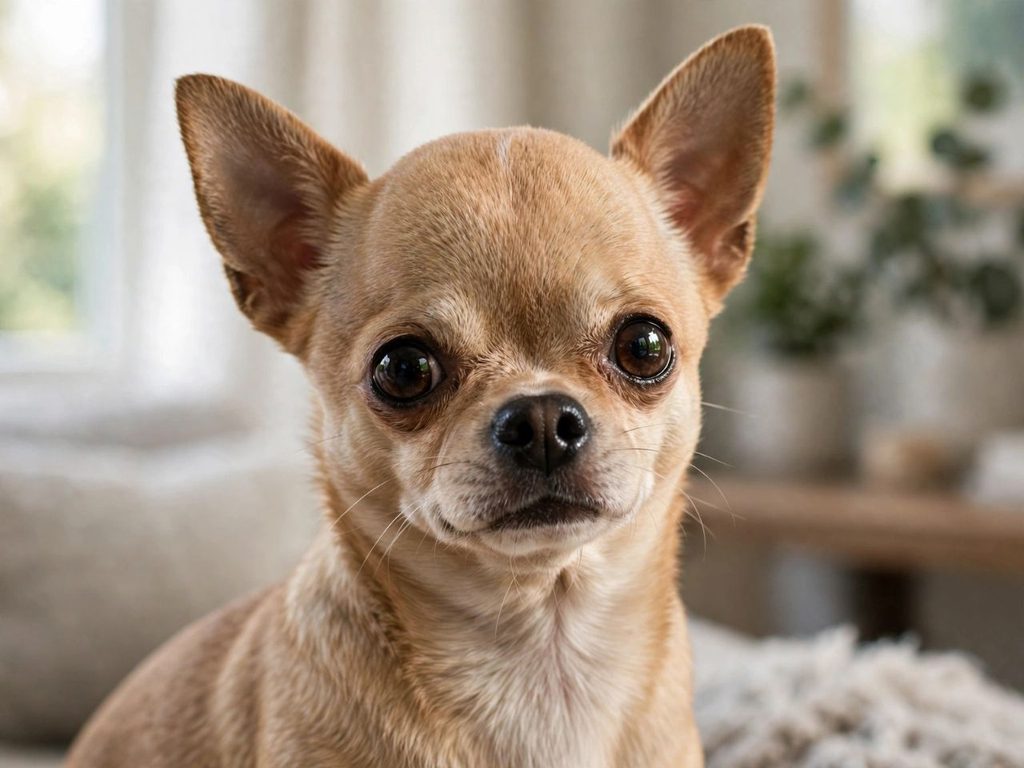
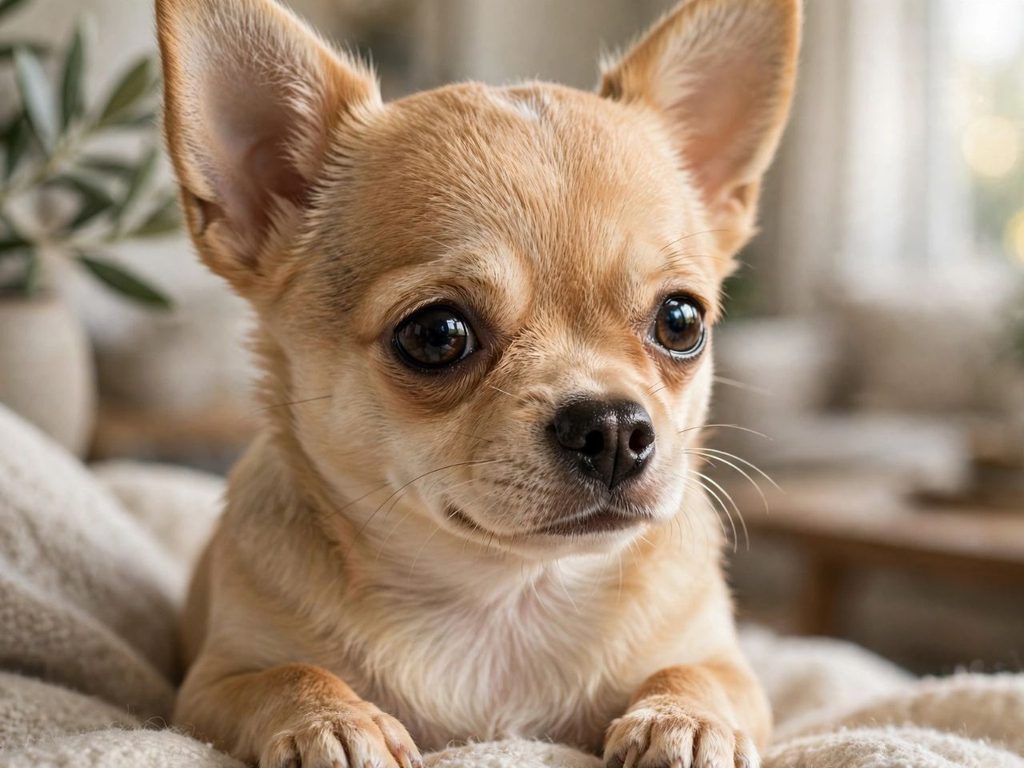
An apple-head Chihuahua has the rounded skull shape associated with the Chihuahua breed standard. The skull forms a noticeable dome between the ears. The forehead transitions sharply into the muzzle, creating the classic Chihuahua profile.
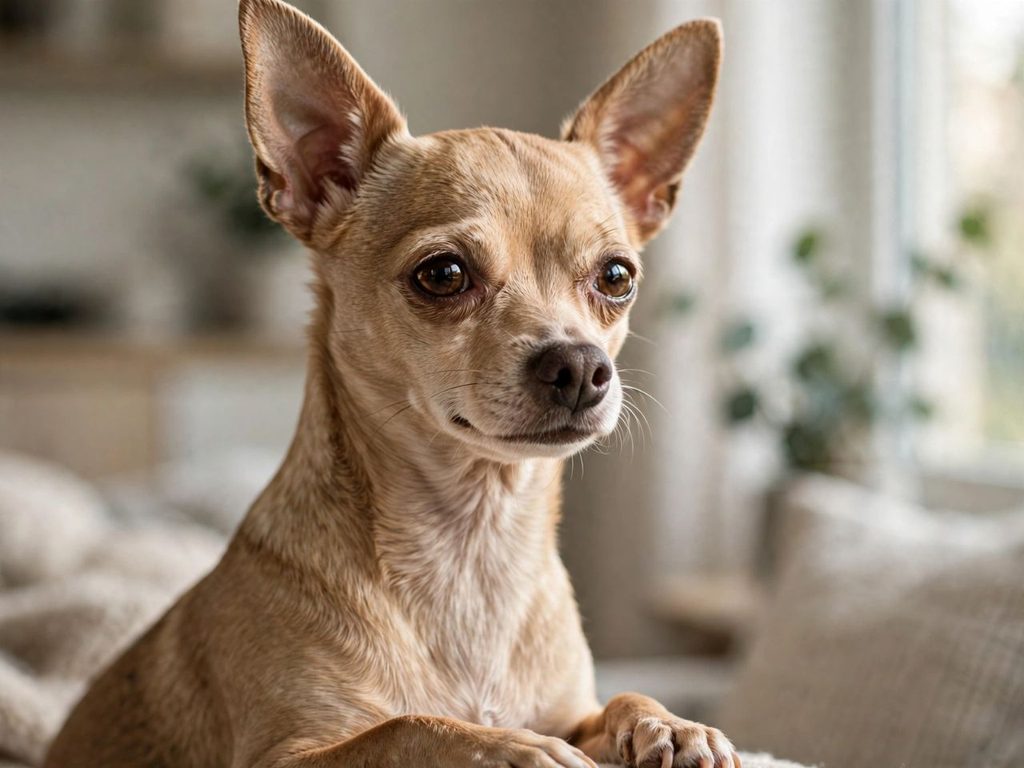
A deer-head Chihuahua usually has a longer and narrower facial structure. The forehead often slopes more gradually toward the nose. The dog may also have longer legs, a longer neck, and a taller or more elongated body.
These terms can help describe a dog’s appearance. They do not create two separate breeds.
The American Kennel Club recognizes the Chihuahua as one breed with two coat varieties: smooth coat and long coat. Its standard describes a well-rounded “apple dome” skull and a weight limit of six pounds for conformation purposes.
A Chihuahua that looks more deer-like can still be a purebred Chihuahua. A pedigree determines lineage. Head shape alone cannot prove whether a dog is purebred or mixed.
Chihuahua Breed Standards and Official Recognition
The apple-head Chihuahua fits the head structure described in the official breed standard. The standard calls for a well-rounded apple-dome skull. It also describes full, round eyes and a moderately short muzzle.
The term “deer head” does not represent a separate AKC Chihuahua variety. Instead, owners, breeders, sellers, and pet websites commonly use it to describe a Chihuahua with a different facial and body structure.
This distinction matters when you see advertisements for an “official deer-head Chihuahua.” The phrase can describe a real dog, but it does not establish a separate recognized breed.
Can a deer-head Chihuahua be purebred?
Yes. A deer-head Chihuahua can be purebred if its documented ancestry traces back to purebred Chihuahuas.
Failing to match the preferred conformation does not automatically make a dog mixed breed. A purebred dog can fall outside the ideal show standard in one or more physical traits.
Can a deer-head Chihuahua compete in dog shows?
A Chihuahua must meet the applicable breed standard to compete successfully in conformation. The standard favors the rounded apple-dome head.
However, “deer head” is not an official disqualification category by itself. Other factors also affect eligibility. For example, the AKC standard specifies that a Chihuahua weighing more than six pounds is disqualified.
This is why you should not use the simple rule “deer head equals disqualified.” The more accurate statement is that a deer-like head generally does not represent the preferred head type described by the conformation standard.
Do coat types determine head shape?
No.
A Chihuahua can have:
An apple head with a smooth coat.
An apple head with a long coat.
A deer-like head with a smooth coat.
A deer-like head with a long coat.
Head shape and coat variety describe different characteristics.
The AKC recognizes smooth and long coats as the two Chihuahua varieties.
Apple Head Chihuahua Physical Characteristics
The apple-head Chihuahua has the familiar compact appearance many people associate with the breed. Its most noticeable feature is the skull. The top of the head looks rounded rather than long or flat.
Common apple-head characteristics include:
Broad, rounded skull.
Pronounced stop.
Shorter muzzle.
Slightly upturned or pointed nose.
Large, round eyes.
Upright ears.
Compact facial structure.
Relatively compact body.
Shorter-looking legs.
Small overall frame.
The stop refers to the change in direction between the forehead and muzzle. In an apple-head Chihuahua, that transition looks more abrupt.
People sometimes describe this profile as close to a 90-degree angle. That description can help with visual identification, but it should not be treated as an exact measurement required for every dog.
The official standard does not simply say that every Chihuahua must have a mathematically perfect angle. It describes the overall structure of the head, eyes, muzzle, and skull.
Apple-head size and weight
Many pet sources give small weight ranges for apple-head Chihuahuas. However, those figures vary because individual Chihuahuas vary in size. For conformation purposes, the AKC standard sets a maximum weight of six pounds.
That does not mean every Chihuahua that weighs more than six pounds is a different breed. It means that the dog falls outside the standard’s conformation requirement. Size alone cannot identify an apple-head Chihuahua.
Deer Head Chihuahua Physical Characteristics
The deer-head Chihuahua usually has a noticeably different profile. Instead of a strongly rounded skull and abrupt stop, the head tends to look longer and narrower. The forehead flows into the muzzle more gradually.
Typical traits include:
Longer muzzle.
Narrower skull.
Flatter or less pronounced dome.
Shallower stop.
Less prominent-looking eyes.
Larger-looking ears.
Longer neck.
Longer legs.
Taller or more elongated body.
More refined facial profile.
Some people compare the profile to a young deer. Others describe it as foxy. Neither description creates a formal breed classification. They simply help explain the dog’s appearance.
Competitors often describe the forehead-to-muzzle transition as roughly 30 to 45 degrees. Treat that as a visual guide, not a diagnostic measurement. Individual Chihuahuas can show intermediate features.
Why deer-head size varies
Deer-head Chihuahuas often appear larger than compact apple-head dogs. Some can stand noticeably taller and weigh considerably more. But size varies within the breed.
Genetics, parents, nutrition, age, and overall body structure all influence adult size. A larger Chihuahua does not automatically qualify as a deer head. Likewise, a smaller Chihuahua does not automatically qualify as an apple head.
Apple Head vs Deer Head Chihuahua Comparison
Feature
Apple Head Chihuahua
Deer Head Chihuahua
Breed status
Chihuahua head structure associated with the standard
Informal appearance label
Skull
Rounded and domed
Narrower, longer, or less domed
Forehead
Broad and rounded
Flatter or more gradual
Stop
More pronounced
Less abrupt
Muzzle
Shorter
Longer
Eyes
Full and round
Often less prominent
Ears
Upright and large
Often appear larger relative to the head
Neck
Moderate
Often longer
Legs
More compact-looking
Often longer
Body
Compact
Often taller or more elongated
Facial profile
Short and sharply defined
Longer and gradually sloped
Show standard
Consistent with the desired head structure
Generally not the preferred head type
Purebred status
Can be purebred
Can also be purebred
Coat
Smooth or long
Smooth or long
Temperament
Not determined by head shape
Not determined by head shape
The table shows tendencies, not rules. A real Chihuahua may combine characteristics from both descriptions.
How to Tell Whether a Chihuahua Is Apple Head or Deer Head
You can make a reasonable visual assessment by looking at the dog from several angles.
1. Start with the side profile
The side view often reveals the biggest difference. An apple-like Chihuahua usually shows a rounded forehead with a sharper transition into the muzzle. A deer-like Chihuahua usually shows a longer facial line with a gradual slope.
2. Examine the skull
Look between the ears. A rounded, prominent dome suggests an apple-head structure.
A longer and narrower skull suggests a deer-like structure. Do not expect every dog to fit perfectly into one category.
3. Look at the stop
The stop marks the transition between the forehead and muzzle. A strong stop makes the face look more compact.
A shallow stop creates a smoother facial line. The often-mentioned 90-degree and 45-degree comparisons are useful visual shortcuts. They are not exact veterinary measurements.
4. Compare muzzle length
The apple-head Chihuahua generally has a shorter muzzle. The deer-head Chihuahua generally has a longer muzzle. This difference becomes easier to see when you compare two dogs of similar age.
5. Look at the whole body
Do not judge the head alone.
Check:
Neck length.
Leg length.
Body length.
Overall height.
Proportion between head and body.
A longer-legged, taller Chihuahua may look more deer-like even when its skull retains some dome.
6. Do not use weight as your only test
Weight cannot reliably determine head type. A dog may weigh more because of its genetics, frame, body condition, or individual growth pattern. The AKC standard’s six-pound limit applies to conformation, not as a universal test for identifying an apple head.
7. Remember that puppies can be misleading
Puppies change quickly. Their ears, skull proportions, muzzle, legs, and body can look different as they mature.
If you need to understand a puppy’s expected adult structure, ask the breeder about the parents and previous litters. A veterinarian can also evaluate normal development.
What Is a Chihuahua Stop?
The stop is the transition between a dog’s forehead and muzzle. Think of it as the point where the facial plane changes direction.
Apple-head Chihuahuas typically show a more pronounced stop. This creates the compact face associated with the breed’s traditional appearance. Deer-head Chihuahuas generally show a more gradual transition. Their forehead flows toward the longer muzzle without such a sharp break.
The stop helps identify head shape, but it should not stand alone. Skull shape, muzzle length, eyes, ears, and body proportions provide a more accurate overall picture.
What Is a Molera in a Chihuahua?
A molera is an incompletely fused area of the skull. It resembles the fontanelle, or soft spot, that human babies can have.
Chihuahuas can naturally have a molera. The Chihuahua Club of America notes that some soft spots close as the dog matures, while others remain small without causing a problem. It also specifically states that a domed head with a molera does not by itself predispose a Chihuahua to hydrocephalus.
This point matters because online articles sometimes connect every molera with hydrocephalus. That creates unnecessary fear. A molera and hydrocephalus are not the same thing.
Is a persistent molera automatically dangerous?
No.
A persistent molera does not automatically mean that a Chihuahua has a neurological disease. Still, owners should protect puppies from unnecessary head trauma and discuss unusual findings with a veterinarian.
Seek veterinary attention if a puppy develops signs such as:
Seizures.
Severe coordination problems.
Marked lethargy.
Developmental abnormalities.
An unusually enlarged head.
Changes in behavior or neurological function.
A veterinarian can determine whether a finding represents normal anatomical variation or a medical problem.
Apple Head Chihuahua Health Considerations
Head structure may influence certain physical risks, but it does not determine a dog’s entire health profile.
The shorter muzzle associated with some apple-head Chihuahuas can create less facial space. That may contribute to concerns involving breathing or dental crowding in individual dogs.
Dental care deserves particular attention. Small breeds such as Chihuahuas are prone to dental disease, and veterinary dental evaluation can uncover problems that are not obvious from the outside.
Other health concerns that can affect Chihuahuas include:
Dental disease.
Patellar luxation.
Heart disease.
Eye problems.
Tracheal problems.
Low blood sugar in vulnerable puppies.
Weight-related problems.
The Chihuahua Club of America recommends cardiac, eye, and patella screening for breeding dogs. Patellar luxation also affects several toy and small breeds, including Chihuahuas.
These conditions do not occur because a dog has an “apple head” label. They reflect the broader health profile of the individual dog and its genetic background.
Deer Head Chihuahua Health Considerations
A longer muzzle may provide more facial space than a shorter muzzle. That structure can be beneficial for some breathing and dental considerations.
However, you should not turn that anatomical difference into the claim that every deer-head Chihuahua is healthier.
Deer-head Chihuahuas can still develop common Chihuahua and small-dog conditions.
They may experience:
Dental disease.
Patellar luxation.
Heart disease.
Eye disorders.
Tracheal problems.
Hypoglycemia during puppyhood.
Orthopedic problems.
Obesity if owners overfeed them.
The AKC lists patella, cardiac, and ophthalmologist evaluations among the recommended health tests for Chihuahua breeding stock.
That information gives you a better health-screening framework than choosing a puppy based only on head shape.
Is One Chihuahua Head Type Healthier?
The evidence does not support a simple rule that one head type is always healthier.
A longer muzzle may reduce some structural concerns associated with a more compressed facial shape. A shorter muzzle may create greater concern for certain individual dogs. But genetics, breeding practices, body condition, veterinary care, and the dog’s overall anatomy all matter.
When evaluating a Chihuahua, focus on measurable health factors.
Ask about:
Patella evaluations.
Cardiac examinations.
Eye examinations.
Dental health.
Family health history.
Vaccination and veterinary records.
Previous health problems in parents and siblings.
The Chihuahua Club of America identifies cardiac, eye, and patella screening as important health testing for breeding dogs. Health records provide more useful information than a seller’s claim that one head shape is “healthier.”
Apple Head vs Deer Head Chihuahua Temperament
Head shape does not reliably determine Chihuahua temperament.
Both types can be:
Loyal.
Alert.
Playful.
Confident.
Affectionate.
Vocal.
Protective of their owners.
Cautious around strangers.
Some people claim that deer heads are calmer or that apple heads are more energetic. Those claims remain largely anecdotal. A Chihuahua’s behavior depends on many factors.
Genetics influence temperament. Early socialization matters. Training matters. Handling matters. Environment matters. Health also affects behavior.
The AKC describes Chihuahuas as confident, adaptable, lively, and expressive dogs. Do not choose a Chihuahua because someone promises that its head shape guarantees a particular personality.
Training and Socialization
Both head types need training. Their small size does not remove the need for boundaries or enrichment.
Use positive reinforcement to teach:
Name recognition.
Recall.
Leash manners.
Basic cues.
Appropriate barking.
Safe handling.
Calm greetings.
House-training routines.
Start socialization early. Introduce puppies gradually to people, healthy dogs, sounds, surfaces, and new environments.
Avoid harsh corrections. A tiny dog can become fearful when training relies on intimidation.
Mental stimulation also matters. Short training sessions, puzzle toys, scent games, and interactive play can keep a Chihuahua engaged.
Apple Head vs Deer Head Chihuahua and Children
Either type can live with a family, but Chihuahua size creates a practical safety issue.
Young children can accidentally injure a tiny dog by dropping, squeezing, stepping on, or carrying it incorrectly.
Adults should supervise interactions with toddlers.
Teach children to:
Sit calmly around the dog.
Avoid pulling ears or tails.
Leave the dog alone while eating.
Avoid chasing the dog.
Handle the dog only with adult guidance.
Recognize signs of stress.
An adult Chihuahua with a known temperament may also provide more predictable behavior than a very young puppy.
The individual dog’s confidence and social history matter more than whether its head looks apple-shaped or deer-like.
Apple Head vs Deer Head Chihuahua and Other Pets
Chihuahuas can live with other dogs and cats when owners introduce them carefully. Start with controlled, short interactions.
Use barriers or leashes when necessary. Give each animal a safe retreat. Pay special attention to size differences. A large, playful dog can injure a Chihuahua even without aggressive intent.
Watch for:
Stiff body language.
Growling.
Hiding.
Excessive barking.
Chasing.
Resource guarding.
Repeated avoidance.
Slow introductions usually create a safer foundation than forcing animals to interact immediately.
Exercise Requirements for Both Head Types
Neither head type eliminates the need for exercise.
Most Chihuahuas can benefit from:
Short daily walks.
Indoor play.
Training sessions.
Puzzle toys.
Supervised exploration.
Mental enrichment.
Adjust exercise for age, health, temperature, and individual stamina.
Avoid strenuous activity during extreme heat. Watch closely for heavy panting, weakness, unusual breathing, or other signs of distress.
A Chihuahua may be tiny, but it still needs regular movement.
Grooming Requirements
Head shape does not determine grooming needs. Coat type matters much more.
Smooth coat
Smooth-coated Chihuahuas generally require less brushing.
Long coat
Long-coated Chihuahuas need more frequent brushing to prevent tangles and mats.
All Chihuahuas benefit from routine:
Nail trimming.
Ear checks.
Bathing when needed.
Eye-area cleaning when appropriate.
Dental care.
Parasite prevention.
Dental hygiene deserves special attention because small breeds can develop significant dental disease.
Feeding and Weight Management
Feed a Chihuahua according to age, body condition, activity, and veterinary guidance. Small puppies need careful feeding because inadequate intake can contribute to low blood sugar.
Adults also need portion control. Do not assume a heavier deer-head Chihuahua should simply receive more food. Body condition matters more than a label.
You should be able to assess your dog’s body condition without relying only on the number on a scale. Ask your veterinarian to help you determine an appropriate weight and feeding plan.
Lifespan and Long-Term Care
Chihuahuas can live well into their teens. The Chihuahua Club of America notes that the breed often reaches the mid-to-late teens, with some individuals living to 20. Lifespan varies between individuals.
Long-term health depends on factors such as:
Genetics.
Preventive veterinary care.
Dental health.
Nutrition.
Healthy body weight.
Exercise.
Parasite prevention.
Early detection of disease.
Regular veterinary visits can identify problems before they become severe.
Responsible Breeding and Buying Advice
If you plan to buy a Chihuahua puppy, do not choose based only on a rounded head or a long muzzle. A responsible breeder should be willing to discuss health and family history.
Ask for evidence of appropriate health screening. For Chihuahua breeding dogs, the AKC currently lists patella, cardiac, and ophthalmologist evaluations among the recommended tests from the national breed club.
Also ask:
Can I see the puppy’s parents?
What health problems have occurred in the family?
What veterinary care has the puppy received?
What records will you provide?
How do you socialize your puppies?
What happens if the puppy develops a serious inherited condition?
Can I review health-testing documentation?
Be cautious when a seller focuses heavily on terms such as “teacup,” “micro,” or “extra tiny.”
The Chihuahua Club of America specifically explains that the breed standard recognizes smooth and long coats and does not create a separate “teacup” variety. Choose health and responsible breeding practices over extreme size or exaggerated appearance.
Adoption Considerations
Shelter and rescue Chihuahuas may not fit neatly into an apple-head or deer-head category. That does not reduce their value as companions.
When adopting an adult dog, you can often learn more about its established temperament than you can from a young puppy.
Ask the rescue organization about:
Behavior around adults.
Behavior around children.
Dog-to-dog interactions.
Cat experience.
Resource guarding.
Medical history.
Exercise needs.
Previous living conditions.
Give a newly adopted Chihuahua time to adjust. Stress can temporarily change behavior.
Common Myths About Apple Head and Deer Head Chihuahuas
1 Myth: Apple heads and deer heads are separate breeds. They are not separate Chihuahua breeds. The terms mainly describe physical appearance.
2. Myth: Every deer-head chihuahua is a mixed breed. A deer-like Chihuahua can still be purebred if its documented lineage is purebred Chihuahua.
3. Myth: Every apple head is unhealthy. No. Individual health varies, and head shape represents only one part of the dog’s anatomy.
4. Myth: Every deer head is healthier. A longer muzzle may offer some structural advantages, but it does not guarantee overall health.
5. Myth: Deer heads are always calmer. Head shape does not establish temperament.
6. Myth: Apple heads are always smaller. Many are compact, but size varies among individual Chihuahuas.
7. Myth: A molera means hydrocephalus. A molera is a skull feature and does not automatically indicate hydrocephalus.
8. Myth: The Teacup Chihuahua is an official breed variety. The AKC recognizes smooth and long coats, not a separate teacup variety.
Myth: Coat length tells you the head type. It does not. Coat variety and head shape are separate traits.
Frequently Asked Questions
What is the difference between an apple-head and deer-head Chihuahua?
An apple-head Chihuahua has a rounded skull, a pronounced stop, and a shorter muzzle. A deer-head Chihuahua usually has a narrower skull, a longer muzzle, and a gradual facial slope.
Is a deer-head Chihuahua a purebred Chihuahua?
Yes. A deer-head Chihuahua can be purebred if its documented lineage comes from purebred Chihuahuas. “Deer head” describes appearance, not a separate breed.
Which Chihuahua head type follows the AKC standard?
The rounded, apple-dome head matches the head structure described in the AKC Chihuahua standard.
Which Chihuahua head type is healthier?
Neither head type guarantees better health. Skull and muzzle structure can affect certain physical risks, so overall health matters more than head shape.
Does head shape affect Chihuahua temperament?
No reliable evidence shows that apple or deer head shape determines temperament, trainability, aggression, or calmness. Genetics, early socialization, training, and environment play a much larger role.
Conclusion
Apple Head and Deer Head Chihuahua describe differences in physical structure, not separate breeds.
Apple Head Chihuahuas typically have a rounded skull, a pronounced stop, and a short muzzle. These features match the Chihuahua breed standard. Deer Head Chihuahuas usually have a narrower skull, a longer muzzle, and a more gradual facial slope. Some Chihuahuas have a mix of both traits, so these labels should not serve as strict rules.
When choosing a Chihuahua, look beyond head shape. Consider health screening, temperament, socialization, breeding practices, body condition, and veterinary care. A healthy, well-socialized dog matters far more than whether its head looks perfectly apple-shaped or deer-like.
I’m a passionate pet writer who loves sharing practical tips, trusted advice, and heartwarming stories about cats, dogs, and other beloved companions. Through PetCaffine.com, I help pet lovers better understand their furry friends with easy-to-read articles on pet care, nutrition, behavior, health, and everyday life.








1 thought on “Apple Head vs Deer Head Chihuahua: Complete Comparison Guide”