Gray Tabby Cat: Patterns, Genetics, Breeds, Care & Facts
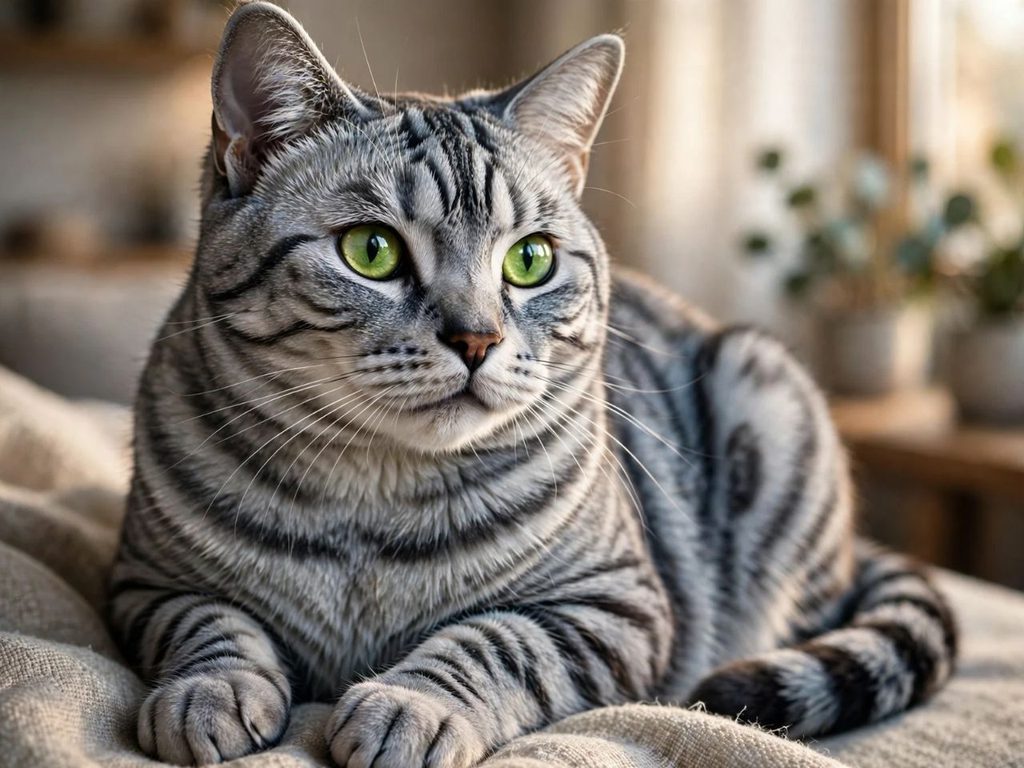
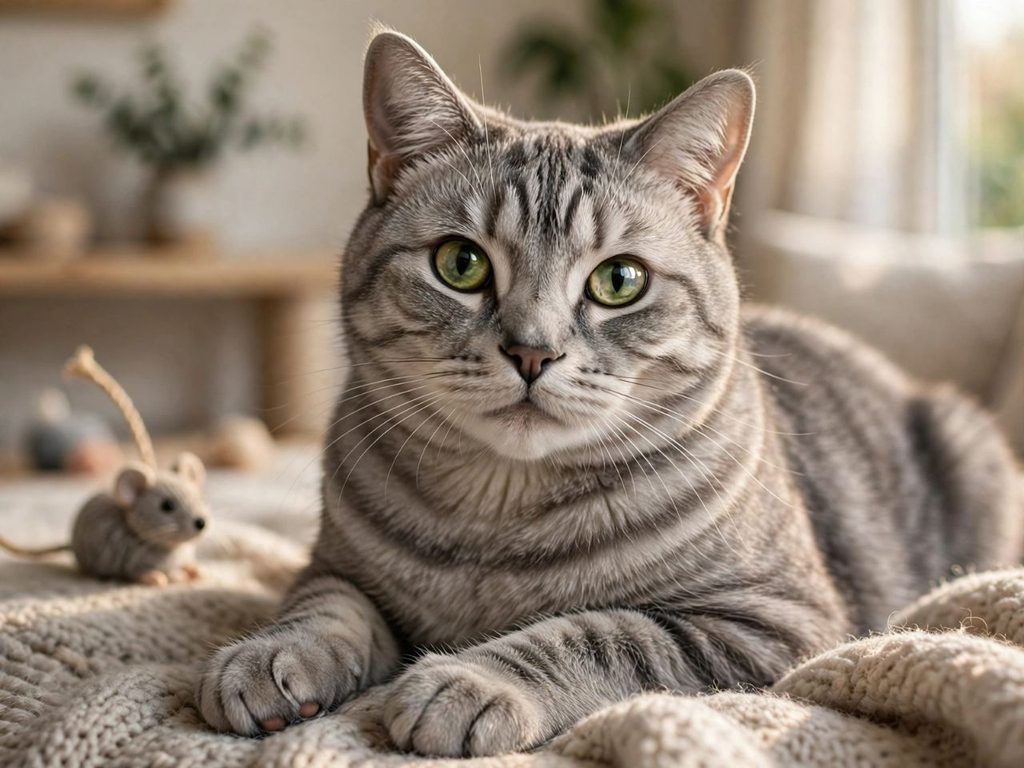
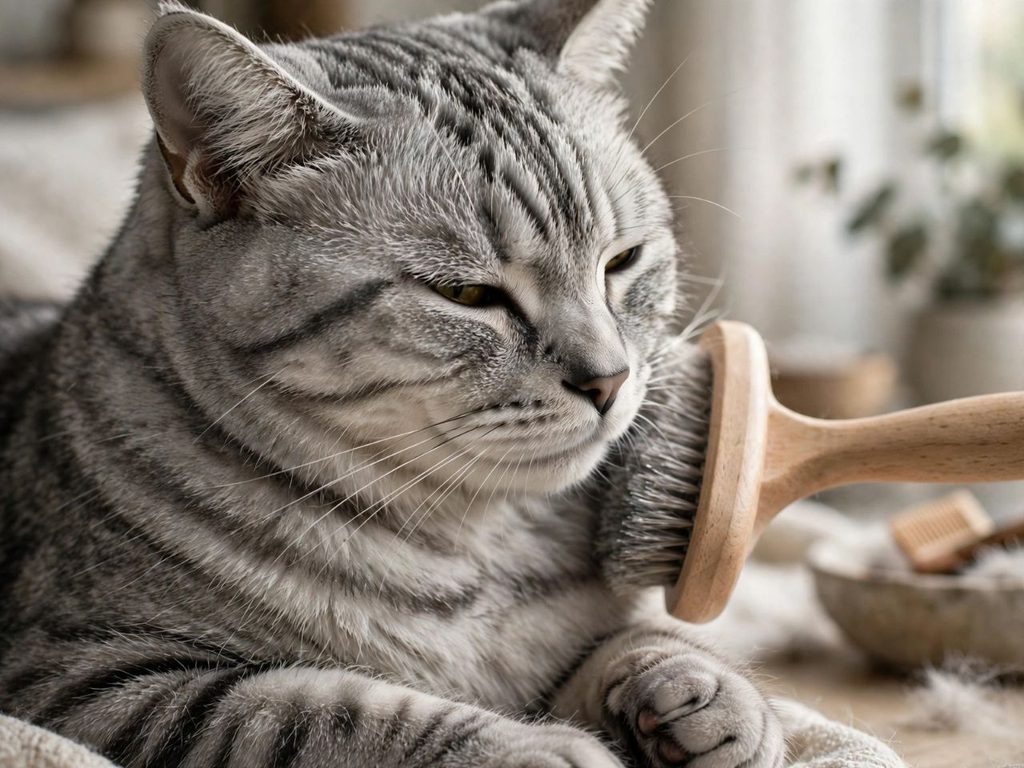
A gray tabby cat combines a gray or blue-gray coat with a tabby pattern. The term describes appearance, not a specific cat breed. Gray tabbies can have stripes, swirls, spots, or subtle ticking.
Many domestic shorthairs have this attractive coat pattern. Their personality depends on genetics, socialization, health, and environment. With proper care, a gray tabby can make a wonderful companion.
A gray tabby cat has two defining features: a gray coat and visible tabby markings. The coat can range from pale silver to slate, blue-gray, or dark charcoal. The tabby pattern can include narrow stripes, broad swirls, distinct spots, or bands on individual hairs.
Tabby describes a coat pattern, not a breed. A gray tabby can belong to a recognized pedigree breed or be a mixed-breed domestic cat.
Cat-fancy organizations often use blue to describe what most owners call gray. You may therefore see terms such as “blue tabby” or “blue-gray tabby” in breed standards and registration records.
A gray tabby may have:
A blue-gray, slate-gray, or silvery background
Darker gray or charcoal markings
An “M” shape on the forehead
Lines around the eyes
Stripes or spots on the face
Banded legs
A ringed tail
A lighter chin or belly
The exact appearance depends on the cat’s genetics and pattern type.
Is a Gray Tabby Cat a Breed?
No. A gray tabby cat is not a breed.
“Gray” describes the coat color, while “tabby” describes the pattern. The same combination can occur in many breeds and in cats with mixed ancestry.
If you meet a gray tabby at a shelter, the cat will often receive a description such as domestic shorthair, domestic mediumhair, or domestic longhair. These terms describe coat length and general ancestry rather than a specific pedigree breed.
A gray tabby can also be a purebred cat. However, the coat alone cannot prove a cat’s breed. Pedigree records and breed characteristics provide stronger evidence.
This distinction matters when someone searches for a “gray tabby cat breed.” The better question is usually: Which cat breeds can have a gray or blue tabby coat?
What Does a Gray Tabby Cat Look Like?
Gray tabbies show several visual features that help identify them.
The most familiar feature is the forehead M marking. Many tabby cats have a darker M-shaped pattern above the eyes. The face can also show thin cheek lines and dark rims around the eyes.
The legs and tail often display bands or rings. Some cats also have a lighter chin and belly that contrast with darker markings.
The body pattern varies widely. A mackerel tabby may look striped like a small tiger. A classic tabby may show broad, flowing swirls. A spotted tabby may have broken stripes or distinct spots. A ticked tabby can look almost solid from a distance because the pattern comes mainly from individual banded hairs.
Gray Tabby Cat Eye Color
Gray tabbies can have several eye colors. Depending on genetics and breed background, you may see green, yellow, gold, hazel, copper, or blue eyes.
Eye color alone does not identify a gray tabby breed.
A gray tabby cat with green eyes is simply a gray tabby with green eyes. The same principle applies to blue, gold, copper, or hazel eyes.
Gray Tabby Cat Patterns Explained
Gray tabby cats can display several recognized tabby patterns. Most sources group the core patterns into four types: mackerel, classic or blotched, spotted, and ticked. Some sources also list patched tabby as a fifth appearance category.
Mackerel Gray Tabby
A mackerel gray tabby has narrow stripes that usually run vertically along the body.
The pattern often includes:
Thin body stripes
Rings around the tail
Banded legs
A darker line along the spine
Strong facial markings
This pattern gives the cat a tiger-like appearance. Competitor research also describes mackerel as a common tabby pattern.
Classic Gray Tabby
A classic gray tabby has broad swirls and whorls across the sides. The markings may create a circular or bull’s-eye effect. The pattern can look marbled rather than striped. Classic tabbies often have strong contrast between their darker markings and lighter blue-gray background.
Spotted Gray Tabby
A spotted gray tabby has separate spots or broken markings across the body. The spots may look round, oval, or like sections of broken stripes. Some cats have a leopard-like appearance. The pattern can vary greatly from one cat to another.
Ticked Gray Tabby
A ticked gray tabby has less obvious body striping. Instead, individual hairs contain alternating light and dark bands. This pattern can make the body look nearly solid from a distance. The face, legs, tail, and forehead may still show clearer tabby markings.
Abyssinians provide a familiar example of a ticked tabby pattern, although the exact color and breed-standard terminology can vary.
Patched Gray Tabby
A patched gray tabby combines tabby markings with patches of another color.
A blue-gray tabby may show cream, red, or orange-toned patches. Sources sometimes count patched tabby as a fifth pattern, while others treat it as a color-and-pattern combination layered over one of the four core tabby patterns.
That difference explains why online sources do not always agree on whether cats have four or five tabby patterns.
Gray Tabby Cat Genetics
Gray tabby genetics may seem complicated, but the basic idea is simple.
A typical gray or blue-gray coat starts with black-based pigment. A dilution process makes that pigment appear lighter. Research often identifies MLPH, or melanophilin, as a gene involved in pigment transport and dilution.
In simple terms, dense black pigment can appear blue-gray when a cat inherits two copies of the recessive dilution allele. Breeders commonly represent this combination as d/d.
The tabby pattern comes from a different set of genetic mechanisms. Agouti-related banding helps produce the lighter background hairs seen in tabby coats. Other genes affect the pattern type. These genes can contribute to mackerel, classic, spotted, or ticked markings.
So, “gray tabby” does not result from one gene. Multiple genetic factors work together to determine both coat color and pattern.
What Is an Agouti Hair?
An agouti hair contains alternating bands of lighter and darker pigment.
These banded hairs help create the lighter background seen between darker tabby markings. Darker pattern areas usually contain more heavily pigmented hairs, creating the contrast that makes stripes, swirls, and spots visible.
Why Is Gray Called Blue?
Cat breeders and registries often call dilute black coloration blue.
The word does not mean that the cat has a bright blue coat. It refers to a diluted black pigment that produces a blue-gray appearance.
That is why a pedigree listing may describe a cat as a blue tabby even though most pet owners would simply call it a gray tabby.
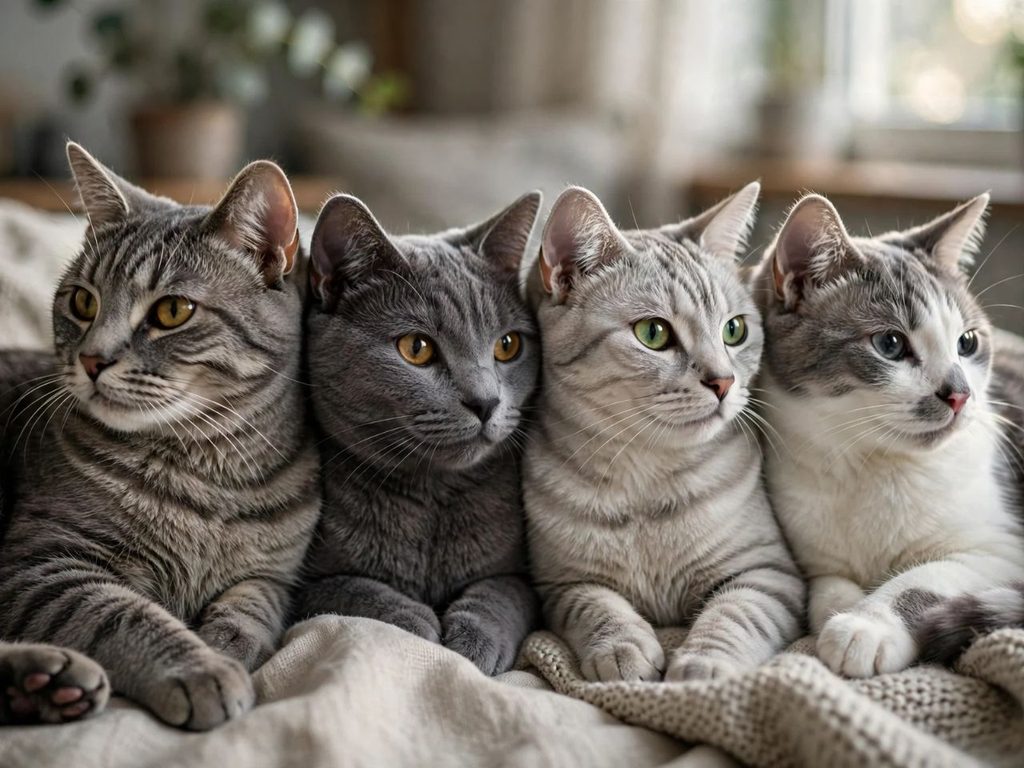
Gray Tabby vs. Other Gray Cats
Not every gray cat is a gray tabby. This distinction helps prevent common identification mistakes.
Cat appearance
Main feature
Gray tabby
Gray or blue-gray coat with visible tabby markings
Solid gray or blue
Gray coat without a persistent visible tabby pattern
Silver tabby
Very pale or silvery background with tabby markings
Gray tuxedo
Gray-and-white bicolor pattern
Gray colorpoint
Darker points with a lighter body
Smoke
Darker outer coat with a contrasting pale base
Gray-and-white tabby
Tabby markings combined with white areas
Gray Tabby vs. Silver Tabby
A gray tabby and a silver tabby can look similar in photographs. A blue-gray tabby generally results from diluted black pigment. A silver tabby has a much paler, silvery background produced through different pigment-distribution effects.
Lighting can also change how the coat appears. Indoor bulbs, sunlight, camera settings, and undercoat color can make one cat look more silver or more gray.
Gray Tabby vs. Solid Gray Cat
A solid gray cat has a relatively uniform gray or blue coat. A gray tabby shows a recognizable pattern.
Some solid-colored kittens can temporarily show faint stripes. These markings are called ghost markings and may become less visible as the adult coat develops.
What Are Ghost Stripes in Gray Kittens?
Ghost stripes are faint tabby markings that appear on kittens or cats whose adult coats look solid. These stripes often stand out during kittenhood. As the coat grows and changes, the markings may fade or become harder to see.
Russian Blue kittens offer a documented example. This solid blue breed can show faint stripes as kittens. Those stripes often become less noticeable as the cats mature. Ghost stripes do not mean that a solid gray cat will develop a gray tabby coat. The markings may simply fade as the cat grows.
However, watch for sudden or major changes in coat texture, thickness, color, or grooming. A veterinarian should examine these changes rather than treating them as a cosmetic issue.
What Breeds Can Be Gray Tabby?
Many cat breeds can display tabby patterns, including gray or blue-gray variations where permitted by the relevant breed standard.
Examples found across the research include:
American Shorthair
American Bobtail
American Curl
American Wirehair
Abyssinian
British Shorthair
Egyptian Mau
Exotic Shorthair
Maine Coon
Manx
Norwegian Forest Cat
Ocicat
Persian
Ragdoll
Scottish Fold
Siberian
Somali
Turkish Angora
Turkish Van
European Shorthair
The list does not mean every individual cat in these breeds will have a gray tabby coat.
A domestic shorthair can also have the same appearance. In fact, many gray tabbies encountered through shelters and rescues are domestic shorthairs rather than pedigreed cats.
Gray Tabby Cat Personality and Temperament
Gray tabby cat personality varies from one individual to another. People often describe tabbies as friendly, affectionate, curious, intelligent, playful, vocal, calm, or sociable. However, these descriptions do not establish a personality rule for gray tabbies.
Coat color does not tell you whether a cat will enjoy being held. It cannot reliably predict whether the cat will be quiet, energetic, shy, or outgoing.
A cat’s behavior reflects several influences, including:
Genetics
Breed background
Early socialization
Previous experiences
Health
Age
Environment
Daily routine
This distinction matters when choosing a pet. Meet the individual cat instead of choosing solely because you like its color or pattern.
Are Gray Tabby Cats Male or Female?
Gray tabby cats can be male or female.
The gray coloration does not create the same sex-linked pattern commonly associated with orange coloration. The competitor research describes gray tabbies as occurring in both sexes at roughly similar proportions, although coat genetics should never serve as a guaranteed way to determine a cat’s sex.
A male gray tabby and a female gray tabby can both have the same basic coat pattern.
Gray tabby cats do not share one specific health profile. The tabby pattern itself does not cause a particular set of diseases.
A cat’s health depends more on its breed, genetics, age, weight, lifestyle, preventive care, and medical history.
Owners should follow the same basic health practices they use for other cats:
Schedule regular veterinary checkups.
Keep vaccinations up to date based on lifestyle and veterinary advice.
Provide regular dental care.
Use parasite prevention as recommended by a veterinarian.
Feed a complete and balanced diet.
Maintain a healthy body weight.
Provide daily exercise, play, and enrichment.
Watch for changes in appetite, behavior, grooming, or litter-box habits.
Breed-specific health risks matter when a gray tabby has pedigree ancestry. For example, a Maine Coon, Persian, British Shorthair, or other recognized breed may face health risks linked to its breed. These risks do not come from the gray tabby pattern itself.
Gray Tabby Cat Lifespan
A gray coat does not give a cat a unique lifespan. Longevity depends on genetics, nutrition, body condition, veterinary care, dental health, lifestyle, and exposure to outdoor hazards.
Indoor living can reduce risks such as traffic injuries, infections, and trauma. However, indoor cats still need an active environment. Provide climbing areas, scratching posts, toys, playtime, and mental stimulation.
Feeding a Gray Tabby Cat
Feed your gray tabby based on its age, body condition, activity level, and health needs. Kittens need food that supports healthy growth. Adult cats need a diet that helps them maintain a healthy weight. Senior cats may need dietary changes based on their age and health.
Wet food can increase daily water intake. Dry food can also suit many cats when you control portions and provide fresh water. Do not choose food based on coat color. Gray tabbies do not need a special diet simply because their fur is gray.
If your cat gains or loses weight unexpectedly, develops digestive problems, or has a medical condition, ask a veterinarian for a suitable feeding plan.
Grooming a Gray Tabby Cat
Gray tabby grooming needs depend mainly on coat length and texture, not on color or tabby pattern.
Shorthaired Gray Tabby
A shorthaired cat usually needs regular brushing to remove loose hair and reduce shedding. Use a brush that your cat tolerates comfortably. Keep sessions short if your cat dislikes grooming.
Mediumhaired Gray Tabby
Mediumhaired cats may need more frequent brushing because loose hair can collect around the neck, belly, legs, and tail. Regular brushing also helps you notice mats, skin changes, or parasites.
Longhaired Gray Tabby
Longhaired cats need more consistent grooming. Brush areas that commonly tangle, including the chest, armpits, belly, and rear legs. Prevent mats before they become tight and painful. Never cut a severe mat close to the skin with household scissors. Ask a professional groomer or veterinarian for help when necessary.
Gray Tabby Kittens
A gray tabby kitten may look different as it grows.
The coat can become denser, the markings can become clearer, and the contrast between the background and pattern can change. Some kittens also show faint ghost stripes that become less visible later.
Young kittens also need careful socialization. Positive handling, safe play, scratching opportunities, and gradual exposure to normal household sounds can help them develop useful life skills.
Schedule appropriate veterinary care early. Your veterinarian can guide vaccination, parasite control, nutrition, sterilization, and other preventive needs.
Adopting a Gray Tabby Cat
A shelter may describe a cat simply as a “gray tabby” because that label communicates appearance quickly. Do not assume that label proves breed.
When adopting, ask about:
Age
Medical history
Vaccination status
Sterilization status
Known behavior around people
Behavior around other cats
Behavior around dogs
Litter-box habits
Dietary needs
Previous living conditions
Spend time with the cat if possible. Watch how it responds to handling, movement, noise, toys, and new people.
An adult gray tabby may give you a clearer picture of its established personality than a very young kitten. A kitten, however, offers the opportunity to shape habits through careful socialization.
Are Gray Tabby Cats Good Family Cats?
A gray tabby can be a good family cat, but coat color cannot guarantee compatibility.
Look at the individual cat’s behavior and the household’s needs. A calm adult may suit a quiet home. An energetic young cat may need more play and enrichment.
Families with children should teach children to handle cats gently. Give the cat a private space where it can retreat when it wants to rest. The same principle applies to homes with dogs. Introduce the animals gradually and give the cat safe escape routes and elevated spaces.
Common Myths About Gray Tabby Cats
Myth: Gray tabby is a breed
Fact: Gray tabby describes a color and pattern combination, not a breed.
Myth: Every gray tabby has the same personality
Fact: Individual genetics, socialization, health, environment, and experience influence behavior.
Myth: Gray tabbies are always male
Fact: Both male and female cats can have gray tabby coats.
Myth: Every gray cat is a Russian Blue
Fact: Russian Blue is a specific breed. Many unrelated domestic and pedigree cats can have gray or blue coats.
Myth: The M on the forehead identifies a breed
Fact: The forehead M is a common tabby marking. It does not prove a particular breed.
Myth: Gray tabbies need special food
Fact: Dietary needs depend on age, health, activity, and body condition rather than gray coloration.
Frequently Asked Questions
Is a gray tabby cat a breed?
No, gray tabby describes a gray or blue-gray coat combined with a tabby pattern, not a specific breed.
Why are gray tabby cats called blue tabbies?
Cat-fancy terminology often uses “blue” for diluted black pigmentation that produces a gray or blue-gray coat.
What does the M on a gray tabby cat’s forehead mean?
The M is a common tabby marking created by the cat’s coat pattern and does not identify a specific breed.
Are gray tabby cats friendly?
Some are friendly and affectionate, while others are shy or independent because personality varies between individual cats.
What are the main gray tabby patterns?
The four commonly recognized patterns are mackerel, classic or blotched, spotted, and ticked, while some sources also discuss patched tabby separately.
Final Takeaway
A gray tabby cat stands out with its gray or blue-gray coat and clear tabby markings. However, its appearance reveals little about its breed, personality, or health.
Gray tabbies can belong to many breeds. They can also be mixed-breed domestic cats. Their coats may show mackerel stripes, classic swirls, spots, ticking, or patches.
Genes control coat color and pattern. Pigment dilution plays a key role in creating the gray or blue-gray color. Behavior depends on several factors, including genetics, socialization, health, and environment.
For owners, the best approach is simple. Identify the cat’s coat pattern correctly. Provide food and grooming that match the cat’s needs. Keep up with regular veterinary care. Most importantly, judge the cat’s personality by its individual behavior, not by its coat color.
I’m a passionate pet writer who loves sharing practical tips, trusted advice, and heartwarming stories about cats, dogs, and other beloved companions. Through PetCaffine.com, I help pet lovers better understand their furry friends with easy-to-read articles on pet care, nutrition, behavior, health, and everyday life.