12 Best Cat Breeds for First-Time Owners: A Complete Guide
Bringing home your first cat is exciting, but it’s easy to feel unsure where to start. Not every breed fits a new owner’s schedule, home, or grooming patience. Some cats want to be held all day, while others are happy to nap alone on a sunny windowsill. This guide walks you through the calmest, friendliest, and easiest-to-care-for cat breeds so you can pick one that actually fits your life.
The best cat breeds for first-time owners share a few traits in common. They’re affectionate without being demanding, they adjust well to apartments or houses, and they don’t require hours of daily grooming or exercise.
Here’s what to look for:
A calm, adaptable temperament
Comfort around children and other pets
Manageable grooming needs
Few breed-specific health concerns
Moderate energy levels that fit a normal household routine
In short, the easiest cat breeds for beginners are ones that tolerate handling, settle into a routine quickly, and don’t need constant supervision. Breeds like the Ragdoll, American Shorthair, and British Shorthair consistently top these lists because they check every one of these boxes.
The 12 Best Cat Breeds for First-Time Owners
Below are twelve breeds well suited to new cat parents, along with the key details you need before bringing one home.
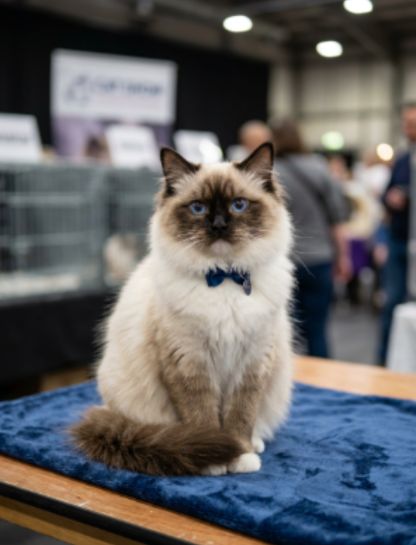
1. Ragdoll
Ragdolls are famous for going limp when picked up, which is exactly where the name comes from. They’re gentle, patient, and happiest curled up in your lap.
Detail
Info
Origin
United States
Height
9–11 inches
Adult Weight
10–20 lbs
Life Span
12–17 years
Group
Large longhair
Price
$800–$2,500
Coat
Semi-long, silky, low-matting
Color Patterns
Colorpoint, mitted, and bicolor
High-Protein Meat
Core part of daily diet
Wet Canned Food
Recommended for hydration and heart health
Dry Kibble
Fine in small portions for dental support
Essential Nutrients
Taurine for cardiac health, omega-3s for coat
Personality traits:
Calm and easygoing
Loves being held
Gets along with kids and other pets
2. American Shorthair
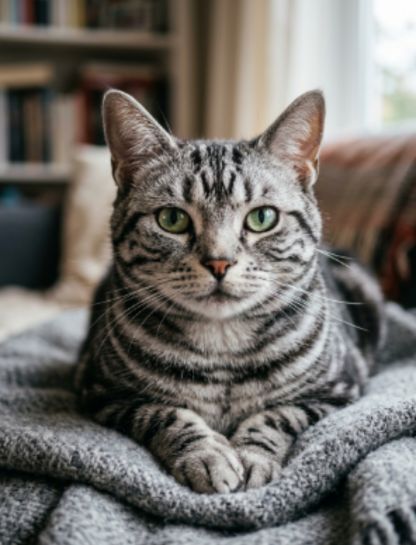
The American Shorthair is a sturdy, low-fuss cat that adapts well to almost any household. It’s independent but still enjoys company on its own terms.
Detail
Info
Origin
United States
Height
8–10 inches
Adult Weight
8–15 lbs
Life Span
15–20 years
Group
Medium shorthair
Price
$100–$1,000
Coat
Short, dense
Color Patterns
Wide range, silver tabby most common
High-Protein Meat
Essential daily requirement
Wet Canned Food
Good for weight and hydration control
Dry Kibble
Well tolerated, supports dental health
Essential Nutrients
Balanced calories to prevent weight gain
Personality traits:
Even-tempered and adaptable
Entertains itself well
Suited to busy schedules
3. British Shorthair
Dense, plush, and famously mellow, the British Shorthair is a quiet companion that doesn’t need constant attention.
Detail
Info
Origin
United Kingdom
Height
12–14 inches
Adult Weight
9–18 lbs
Life Span
12–17 years
Group
Medium-large shorthair
Price
$1,500–$3,000
Coat
Short, dense, plush
Color Patterns
Blue-gray is classic, but many colors exist
High-Protein Meat
Core dietary need
Wet Canned Food
Helps prevent obesity, a common breed risk
Dry Kibble
Portion control matters more than type
Essential Nutrients
Controlled fat intake to manage weight
Personality traits:
Quiet and independent
Gentle with children
Rarely demands attention
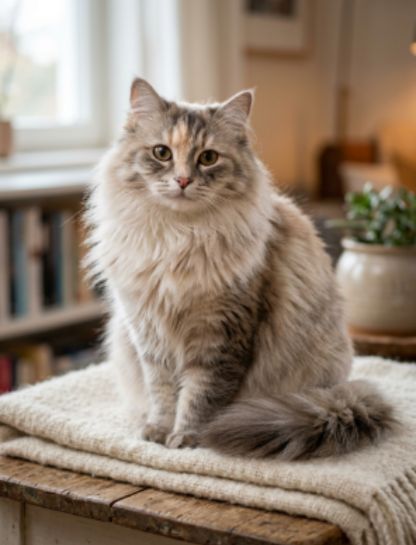
4. Maine Coon
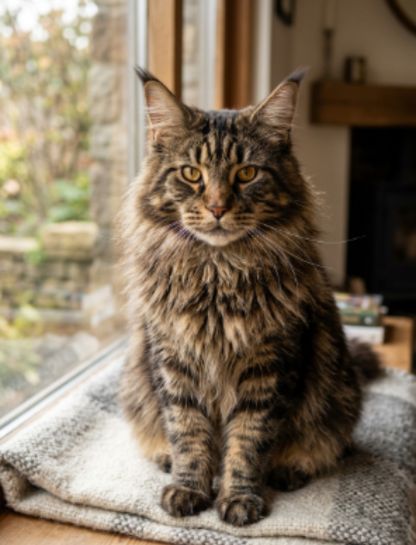
The Maine Coon is the largest domestic cat breed, but its size hides a gentle, sociable nature that makes it a favorite family cat.
Detail
Info
Origin
United States
Height
10–16 inches
Adult Weight
10–25 lbs
Life Span
12–15 years
Group
Large longhair
Price
$1,000–$2,500
Coat
Long, shaggy, water-resistant
Color Patterns
Brown tabby is most common; many others exist
High-Protein Meat
High priority due to large muscle mass
Wet Canned Food
Supports hydration and joint health
Dry Kibble
Larger kibble shapes help slow eating
Essential Nutrients
Taurine for heart health, glucosamine for joints
Personality traits:
Mellow and social
Follows household routines easily
Good with kids and other animals
5. Burmese
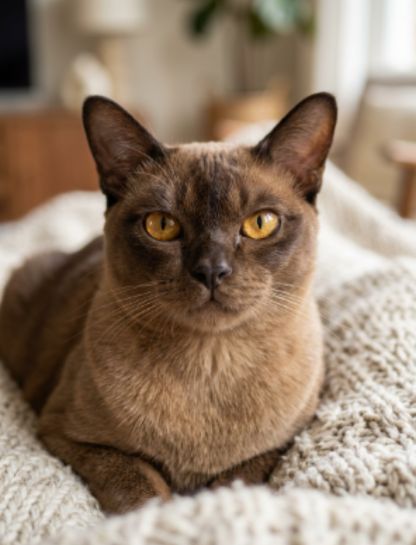
Burmese cats are talkative, people-focused, and happiest when they’re near their owner, often following them from room to room.
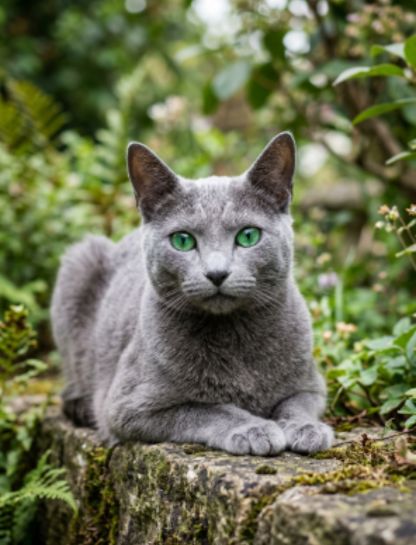
The Russian Blue is reserved with strangers but deeply loyal to its own family, making it a calm, tidy choice for a quiet household.
Detail
Info
Origin
Russia
Height
8–10 inches
Adult Weight
7–12 lbs
Life Span
15–20 years
Group
Medium shorthair
Price
$400–$1,500
Coat
Short, dense double coat
Color Patterns
Blue-gray only
High-Protein Meat
Essential breeds maintain lean muscle
Wet Canned Food
Good for weight management
Dry Kibble
Well tolerated in set portions
Essential Nutrients
Moderate calories to avoid overfeeding
Personality traits:
Loyal but reserved with strangers
Quiet and well-behaved
Loving with familiar people
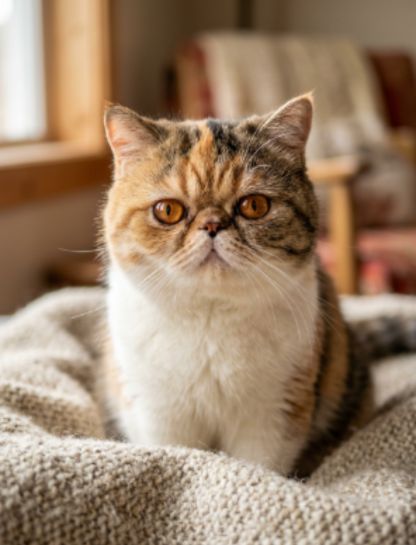
8. Exotic Shorthair
Sometimes called the “lazy man’s Persian,” the exotic shorthair has the same sweet look with a coat that’s far easier to manage.
Detail
Info
Origin
United States
Height
9–11 inches
Adult Weight
7–14 lbs
Life Span
12–15 years
Group
Medium shorthair
Price
$1,000–$5,000
Coat
Short, plush
Color Patterns
Wide range, including colorpoint
High-Protein Meat
Core requirement
Wet Canned Food
Helps with hydration for flat-faced breeds
Dry Kibble
Smaller kibble shapes are easier to chew
Essential Nutrients
Digestive support due to shorter muzzle
Personality traits:
Gentle and calm
Excellent lap cat
Non-demanding companion
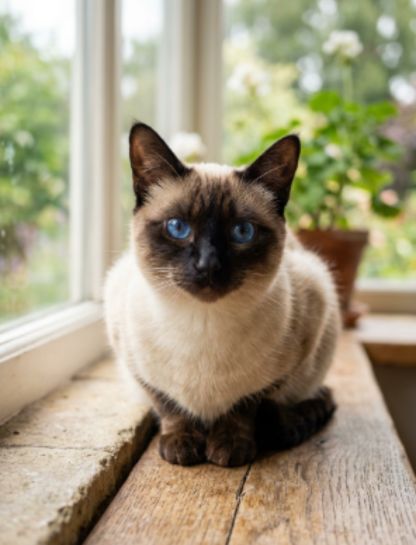
9. Siamese
Vocal, social, and always ready for conversation, the Siamese is a demanding but deeply affectionate breed that thrives on attention.
Detail
Info
Origin
Thailand
Height
8–10 inches
Adult Weight
6–14 lbs
Life Span
12–20 years
Group
Medium shorthair
Price
$600–$1,500
Coat
Short, fine, sleek
Color Patterns
Colorpoint (seal, chocolate, blue, lilac)
High-Protein Meat
High priority for lean, active build
Wet Canned Food
Useful for hydration in an active cat
Dry Kibble
Fine, keeps teeth clean
Essential Nutrients
Protein-forward diet for muscle maintenance
Personality traits:
Vocal and attention-seeking
Extremely affectionate
Adaptable but wants daily interaction
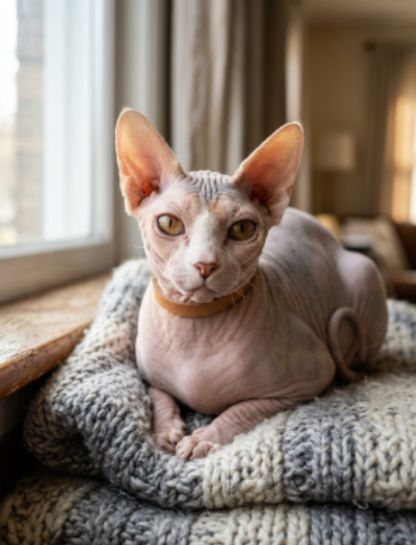
10. Sphynx
Nearly hairless and full of energy, the Sphynx is a striking, affectionate breed that needs a bit more warmth and care than most.
Detail
Info
Origin
Canada
Height
8–10 inches
Adult Weight
6–12 lbs
Life Span
8–14 years
Group
Small-medium hairless
Price
$1,500–$3,000
Coat
Hairless or fine peach fuzz
Color Patterns
Skin can show any color or pattern
High Protein Meat
Higher intake needed for faster metabolism
Wet Canned Food
Recommended, supports higher calorie needs
Dry Kibble
Fine as a supplement, not the main diet
Essential Nutrients
Extra fat and calories for thermoregulation
Personality traits:
Energetic and lively
Craves warmth and closeness
Very people-focused
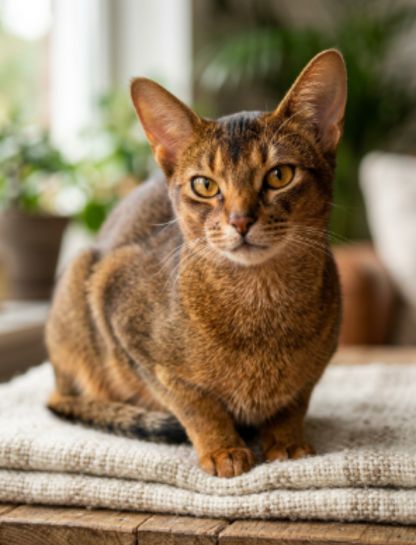
11. Abyssinian
The Abyssinian is a curious, athletic cat that loves exploring every corner of the house and investigating anything new.
Detail
Info
Origin
Believed to trace back to the Indian Ocean coast, developed in the UK
Height
8–10 inches
Adult Weight
6–10 lbs
Life Span
9–15 years
Group
Small-medium shorthair
Price
$800–$2,000
Coat
Short, ticked
Color Patterns
Ruddy, red, blue, fawn
High-Protein Meat
Essential for a highly active breed
Wet Canned Food
Helps balance hydration with high activity
Dry Kibble
Suitable, supports an active lifestyle
Essential Nutrients
Higher calorie needs to match energy output
Personality traits:
Curious and adventurous
Highly energetic
Loyal and devoted to owners
12. RagaMuffin
Closely related to the Ragdoll, the RagaMuffin is just as gentle and just as happy to be scooped up and cuddled.
Detail
Info
Origin
United States
Height
9–11 inches
Adult Weight
8–20 lbs
Life Span
12–16 years
Group
Large longhair
Price
$800–$2,000
Coat
Medium-long, plush, rabbit-like
Color Patterns
Any color or pattern, including colorpoint
High-Protein Meat
Core requirement given larger body size
Wet Canned Food
Supports hydration and coat health
Dry Kibble
Fine in moderate, measured portions
Essential Nutrients
Omega fatty acids for a healthy coat
Personality traits:
Gentle and patient
Loves being held
Excellent with children and other pets
How to Choose the Right Breed for Your Lifestyle
Picking a breed isn’t just about looks. Think through these questions first:
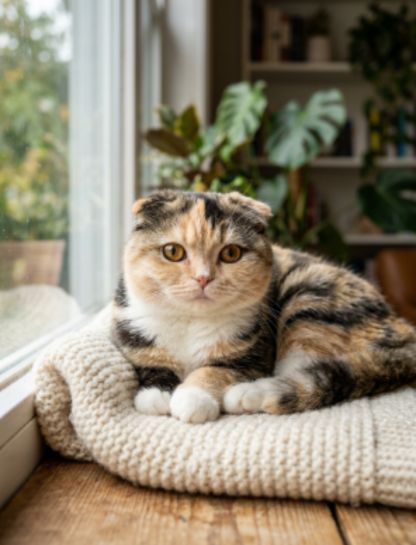
Do you have young kids or other pets? Ragdolls, RagaMuffins, and Scottish Folds tend to handle busy households well.
Are you often away at work? American Shorthairs and Russian Blues are comfortable with more alone time.
Do you want a chatty companion? Siamese and Burmese cats love to “talk” and stay engaged.
Is grooming time limited? Short-haired breeds like the British Shorthair or Russian Blue need far less brushing than longhairs like the Maine Coon.
Do you have allergies? No cat is fully hypoallergenic, but Sphynx cats produce less loose fur to spread around the home.
If you’re open to a mixed-breed cat, a domestic shorthair from a shelter can also make a wonderful first pet. They’re often healthy, easygoing, and available year-round through local rescues.
Feeding Basics for New Cat Owners
Cats are obligate carnivores, which means high-quality animal protein should anchor every meal, regardless of breed. A few general rules apply across the board:
Wet food supports hydration, since most cats don’t drink enough water on their own.
Dry kibble is fine in controlled portions and can help with dental health.
Taurine is a non-negotiable nutrient. Cats can’t produce enough on their own, and deficiencies can lead to serious heart problems.
Larger or more active breeds, like the Maine Coon or Abyssinian, often need more calories than smaller, low-energy breeds.
Always introduce new food gradually to avoid stomach upset.
Your veterinarian is the best resource for tailoring a feeding plan to your specific cat’s age, weight, and health history.
Frequently Asked Questions
What is the best cat breed for a first-time owner?
The Ragdoll, American Shorthair, and British Shorthair are widely considered the easiest breeds for beginners thanks to their calm temperaments and simple care needs.
Are Maine Coons good for beginners?
Yes, Maine Coons are gentle and social, though their long coat needs brushing two to three times a week.
What is the easiest cat breed to take care of?
Short-haired, low-energy breeds like the American Shorthair and British Shorthair are the simplest to maintain day to day.
Do first-time owners need a purebred cat?
No, mixed-breed Domestic Shorthairs from shelters are often healthy, affectionate, and just as suitable for beginners.
How much grooming does a beginner-friendly cat need?
Short-haired breeds usually need weekly brushing, while long-haired breeds like the Maine Coon or Ragdoll need a few sessions per week.
Conclusion
Choosing your first cat comes down to matching a breed’s temperament, grooming needs, and energy level to your own daily routine. Whether you want a quiet lap cat like the Russian Blue, a chatty companion like the Siamese, or a gentle giant like the Maine Coon, there’s a breed built for nearly every kind of first-time owner. Take your time, talk to a vet or reputable breeder, and pick the cat that fits the life you already have, not the one you’d need to build around it.
I’m a passionate pet writer who loves sharing practical tips, trusted advice, and heartwarming stories about cats, dogs, and other beloved companions. Through PetCaffine.com, I help pet lovers better understand their furry friends with easy-to-read articles on pet care, nutrition, behavior, health, and everyday life.