Is Hydrogen Peroxide Safe for Cats? Side Effects and Safer Alternatives
If your cat gets into something she shouldn’t, it’s natural to want to act fast. Many pet owners have a bottle of hydrogen peroxide in their medicine cabinet and wonder if it can help. Since it’s sometimes mentioned as a first-aid option for dogs, it’s easy to assume it works the same way for cats. Unfortunately, that’s not the case.
Hydrogen peroxide can be dangerous for cats, even in small amounts. Whether you’re thinking about using it to make your cat vomit or to clean a wound, it’s best to avoid it. Cats have unique bodies that react very differently to this chemical, and using it at home can lead to painful injuries or even life-threatening complications.
Hydrogen peroxide is not considered safe for cats. Veterinarians do not recommend giving it by mouth to induce vomiting, and they generally advise against using it on wounds because it can damage healthy tissue and slow healing.
Many owners are surprised to hear this, especially if they’ve cared for dogs before. In some situations, a veterinarian may recommend diluted hydrogen peroxide for dogs, but that advice does not apply to cats. Their bodies process chemicals differently, making them much more sensitive to irritation and toxic effects.
If your cat has already swallowed hydrogen peroxide or you’re thinking about giving it after a possible poisoning, stop and contact your veterinarian or an animal poison expert right away. Getting professional advice is much safer than trying to treat the problem yourself.
Why Cats Handle It So Differently Than Dogs
Their Liver Works Differently
Cats have a unique metabolism that makes them more sensitive to many chemicals than dogs or people. Their liver lacks enough of certain enzymes that help break down and remove harmful substances from the body.
Because of this, hydrogen peroxide can stay in a cat’s system longer and cause more damage before it’s cleared away. The chemical can irritate delicate tissues, increasing the risk of inflammation and injury.
This is also one reason cats react poorly to several products that dogs may tolerate, including certain pain medications, essential oils, and some flea treatments made specifically for dogs. Their bodies simply aren’t designed to handle these substances in the same way.
Their Anatomy Raises the Stakes
A cat’s throat and esophagus are narrow and delicate. When hydrogen peroxide is swallowed, it doesn’t simply cause vomiting. It can burn and irritate the tissues as it travels down into the stomach and again when it comes back up.
Another major concern is aspiration, which happens when liquid or vomit accidentally enters the lungs instead of leaving through the mouth. This can lead to aspiration pneumonia, a serious condition that often requires emergency veterinary care and can become life-threatening if left untreated.
What Happens If a Cat Swallows Hydrogen Peroxide
Even a small amount of hydrogen peroxide may cause noticeable discomfort. Larger amounts or stronger solutions, especially concentrations above the common 3% household formula, can result in severe irritation, stomach ulcers, and chemical burns.
Watch your cat closely if accidental exposure occurs. Signs may include:
Repeated vomiting
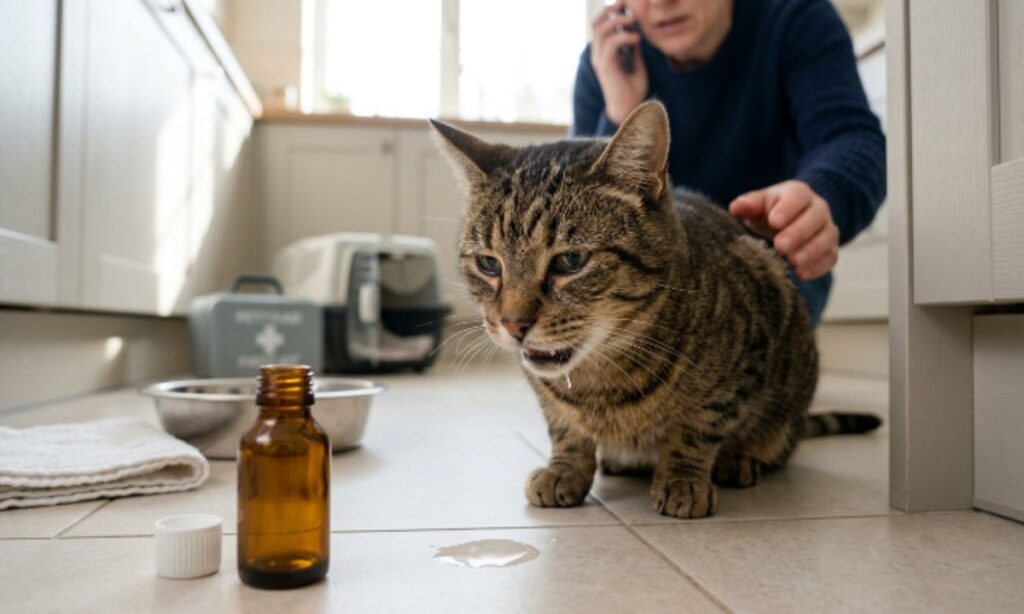
Excessive drooling or foaming at the mouth
Blood in vomit or stool
Stomach pain or a hunched posture
Loss of appetite
Fast or difficult breathing
Weakness, tiredness, or sudden lethargy
One of the biggest dangers is that internal injuries are not always obvious right away. A cat may seem almost normal during the first few hours, while damage continues to develop inside the stomach or esophagus. Later, the symptoms can become much more severe as bleeding or ulcers worsen.
Because of this delayed response, waiting to see whether your cat improves on her own can be risky. Early veterinary advice gives your pet the best chance of avoiding serious complications.
Never Use It to Induce Vomiting at Home
A common myth says that hydrogen peroxide is a safe way to make any pet vomit after swallowing something harmful. While this advice has circulated for years, it should never be used for cats.
Trying to force vomiting at home may do far more harm than good. Besides irritating the digestive tract, hydrogen peroxide may increase the risk of choking or aspiration. Even if your cat vomits successfully, the chemical itself can still injure the mouth, throat, and stomach.
Every poisoning case is different. Some substances should never be brought back up because they can burn the esophagus a second time or create an even more dangerous situation.
Why Vets Reach for Something Else Entirely
When veterinarians decide that vomiting is the right treatment for a cat, they do not rely on hydrogen peroxide. Instead, they use prescription medications that are specifically chosen for feline patients and are given under close medical supervision.
During treatment, the veterinary team monitors your cat’s breathing, heart rate, and overall condition while preparing to manage any complications if they occur. This level of care simply isn’t possible at home.
If your cat has swallowed a toxic substance, skip the home remedies. Call your veterinarian or an emergency animal poison service immediately and describe what your cat ate, how much was consumed, and when it happened. Acting quickly and getting expert guidance is the safest way to protect your cat’s health.
Can You Use It to Clean a Cat’s Wound?
Also no. Hydrogen peroxide has a reputation as a go-to wound cleaner for humans, but it’s rough on tissue, and it’s even rougher on a cat’s skin.
Peroxide doesn’t just kill bacteria. It also damages the healthy new cells your cat’s body is trying to grow to close the wound. That slows healing down instead of speeding it up, and it can leave the area more vulnerable to infection, not less.
Option
Safe for Cats?
What It Does
Hydrogen peroxide
No
Irritates skin, delays healing, damages new tissue
Lukewarm saline solution
Yes
Gently flushes debris without harming healthy cells
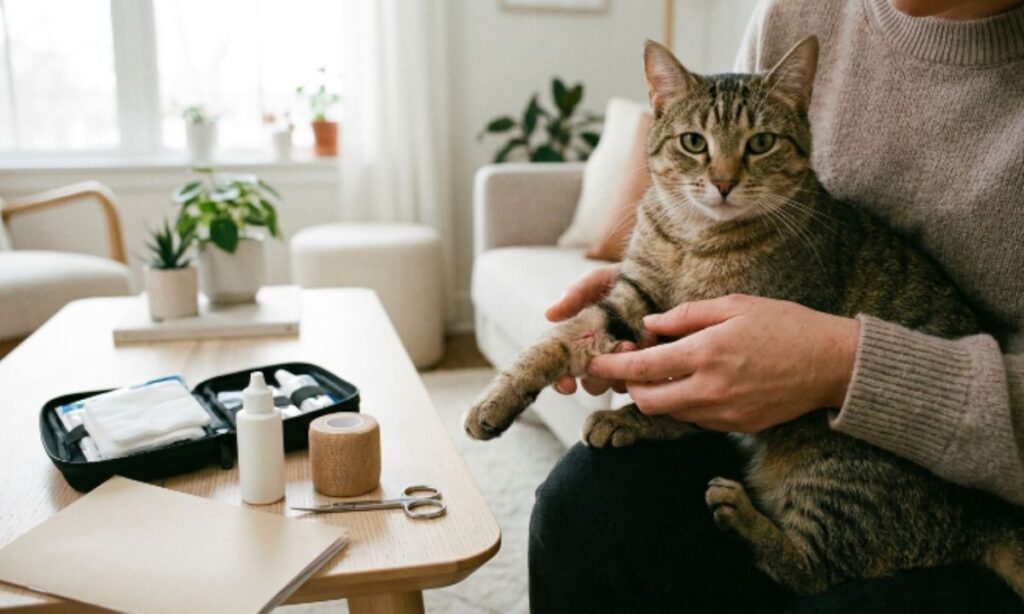
If your cat has a cut or scrape, a gentle rinse with saline or clean water is a far better first step. Anything beyond a minor surface wound deserves a vet’s eyes on it anyway.
What to Do If Your Cat Eats Something Toxic
Finding out that your cat has swallowed something harmful can be frightening. Your first reaction might be to panic, but staying calm will help you make better decisions. Acting quickly is important, but taking the right steps matters even more. Instead of trying home remedies, focus on getting accurate information and contacting a veterinary professional as soon as possible.
Start by moving your cat away from the substance. Place her in a quiet room where she can’t reach anything else that could make the situation worse. Keeping her calm also makes it easier to watch for changes in her behavior while you arrange for help.
Next, figure out exactly what your cat was exposed to. Look for the product packaging, collect a sample of the plant if one was involved, or take a clear photo of the item. Try to estimate how much your cat may have eaten and note the time it happened. These details can help your veterinarian decide on the safest treatment.
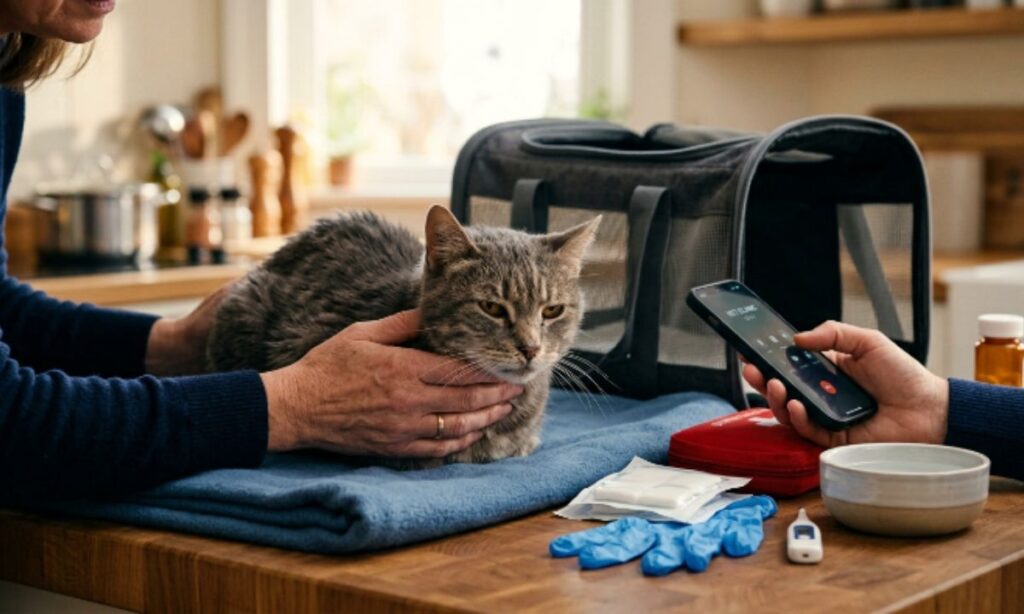
Call your regular veterinarian, a nearby emergency animal hospital, or a pet poison hotline right away. Don’t wait for symptoms to appear before making the call. Some toxins cause immediate illness, while others may not show signs until serious internal damage has already started.
Avoid the temptation to try home treatments. Do not give your cat milk, cooking oil, salt, butter, or hydrogen peroxide unless a veterinarian specifically instructs you to do so. Many home remedies either don’t work or can make the situation much worse.
Follow your veterinarian’s instructions carefully. Depending on what your cat swallowed, they may recommend bringing her to the clinic immediately or monitoring her at home for a certain period. Every poisoning case is different, so professional advice should always guide your next steps.
Keep these poison control numbers somewhere easy to find, such as in your phone contacts or on your refrigerator:
ASPCA Animal Poison Control Center: 888-426-4435
Pet Poison Helpline: 855-764-7661
Having these numbers ready before an emergency happens can save valuable time.
Warning Signs That Mean Get to a Vet Now
Some symptoms should never be ignored because they may signal a medical emergency. If your cat develops any of the following signs after eating something toxic, seek emergency veterinary care without delay.
Repeated or forceful vomiting
Blood in vomit or stool, including black or tar-like stool
Difficulty breathing or rapid, shallow breathing
Heavy drooling that starts suddenly
Collapse, seizures, or extreme weakness
A sudden and dramatic change in behavior
Keep in mind that cats are experts at hiding pain. Even if your pet doesn’t seem seriously ill, trust your instincts. If something feels unusual or your cat simply isn’t acting like herself, it’s always safer to have a veterinarian evaluate her. It’s far better to hear that everything is fine than to wait until the condition becomes more serious.
Building a Safer Cat First Aid Kit
A well-stocked first aid kit can help you respond to minor injuries while keeping you prepared for emergencies. The goal is to include safe supplies that support your cat until veterinary care is available, not products that encourage risky home treatments.
A practical cat first aid kit should include the following:
Sterile saline solution for gently flushing debris from the eyes or small wounds
Sterile gauze pads and self-adhering bandage wrap
Blunt-tipped scissors and clean tweezers
A digital thermometer designed for pets
A soft towel or blanket to gently wrap and restrain your cat if necessary
Your veterinarian’s phone number along with both poison control hotlines
Leave hydrogen peroxide, human pain relievers, and other over-the-counter medications out of the kit unless your veterinarian has specifically approved a product and provided clear dosing instructions. Many medications that are safe for people can be extremely dangerous for cats.
Checking your first aid kit every few months is also a good habit. Replace expired items and restock supplies you’ve used so everything is ready when you need it.
Preventing Accidental Poisoning at Home
The easiest poisoning emergency is the one that never happens. A few simple safety habits can greatly reduce your cat’s risk of coming into contact with harmful substances.
Store all medications, including vitamins and prescription drugs, inside closed cabinets that curious paws can’t open. Cleaning products should be kept on high shelves or behind secure doors rather than under sinks where pets may explore.
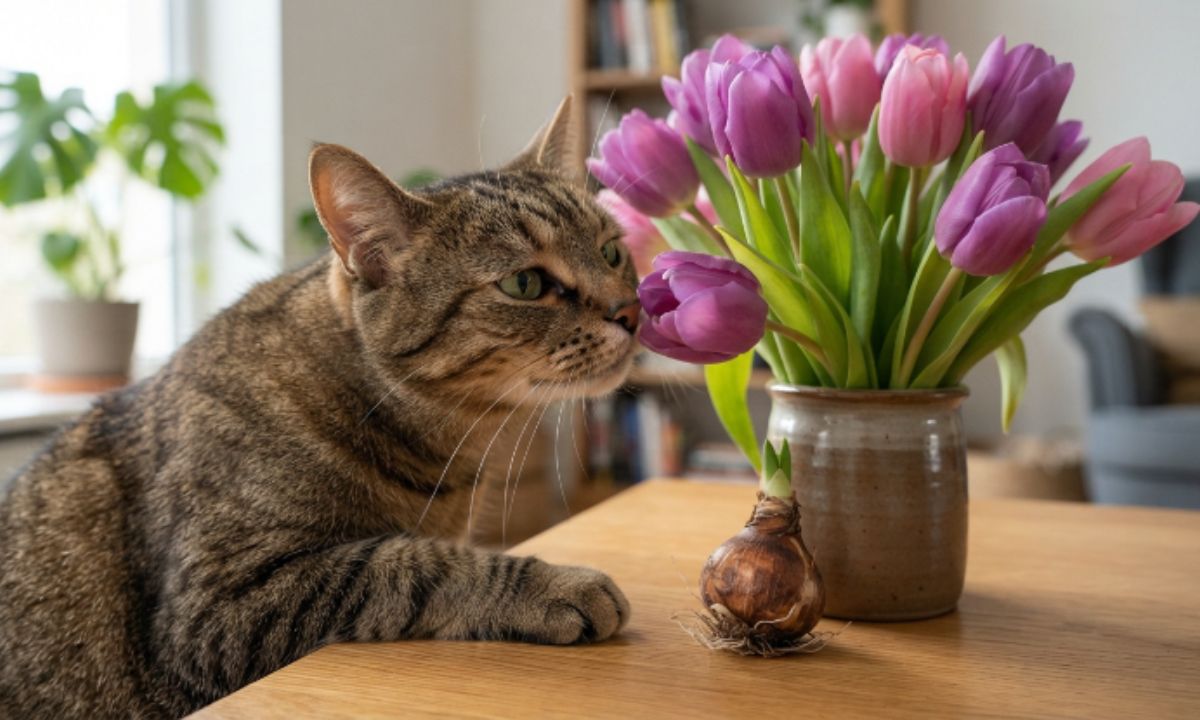
Choose cat-safe houseplants whenever possible. Plants such as lilies are highly toxic to cats, and even small amounts can cause severe illness. If you’re unsure whether a plant is safe, keep it completely out of your cat’s environment.
Use trash cans with secure lids, especially in kitchens and bathrooms where food scraps and medications may be discarded. Also keep strings, ribbons, thread, rubber bands, and other small household items out of reach since many cats enjoy chewing and swallowing them.
Finally, schedule regular wellness visits and ask your veterinarian about any hazards that may be common in your home. Every cat has different habits, and your vet can point out risks you may not have considered, helping you create a safer environment for your feline companion.
Frequently Asked Questions
Can I give my cat hydrogen peroxide to make her vomit?
No. It can cause severe stomach and esophagus damage in cats, so call a vet instead of trying this at home.
Is hydrogen peroxide okay for cleaning a cat’s wound?
No. It irritates skin and slows healing, so use saline or a vet-approved antiseptic instead.
What should I do if my cat accidentally licks up hydrogen peroxide?
Rinse her mouth if she’ll allow it, then call your vet or a pet poison hotline right away, even if she seems fine.
How fast should I act if my cat eats something toxic?
Immediately. Don’t wait for symptoms to show up before calling for help.
What household items are most dangerous for cats?
Lilies, human medications like acetaminophen and ibuprofen, chocolate, cleaning chemicals, and certain essential oils.
Final Thoughts
Hydrogen peroxide might feel like a harmless household staple, but for cats it’s genuinely risky, whether you’re thinking about inducing vomiting or cleaning a scrape. Their unique liver chemistry and sensitive digestive tract mean this common human remedy can turn a scary situation into a dangerous one. The safest move, every time, is to skip the home remedy and call your vet or a pet poison hotline the moment you’re worried. That one phone call is the difference between a manageable scare and a real emergency.
I’m a passionate pet writer who loves sharing practical tips, trusted advice, and heartwarming stories about cats, dogs, and other beloved companions. Through PetCaffine.com, I help pet lovers better understand their furry friends with easy-to-read articles on pet care, nutrition, behavior, health, and everyday life.