Is Vicks Bad for Cats? What Every Owner Should Know
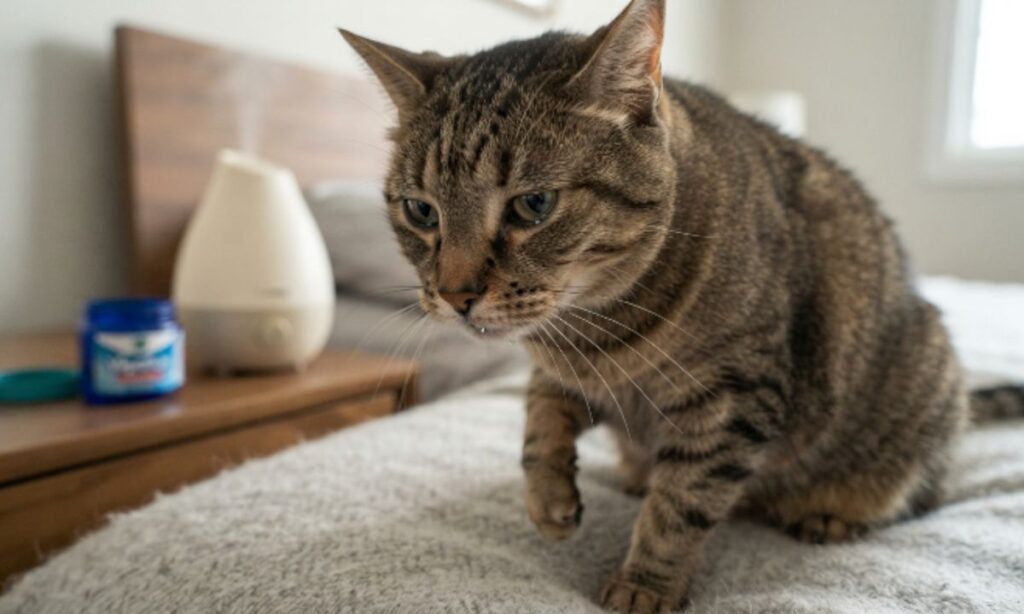
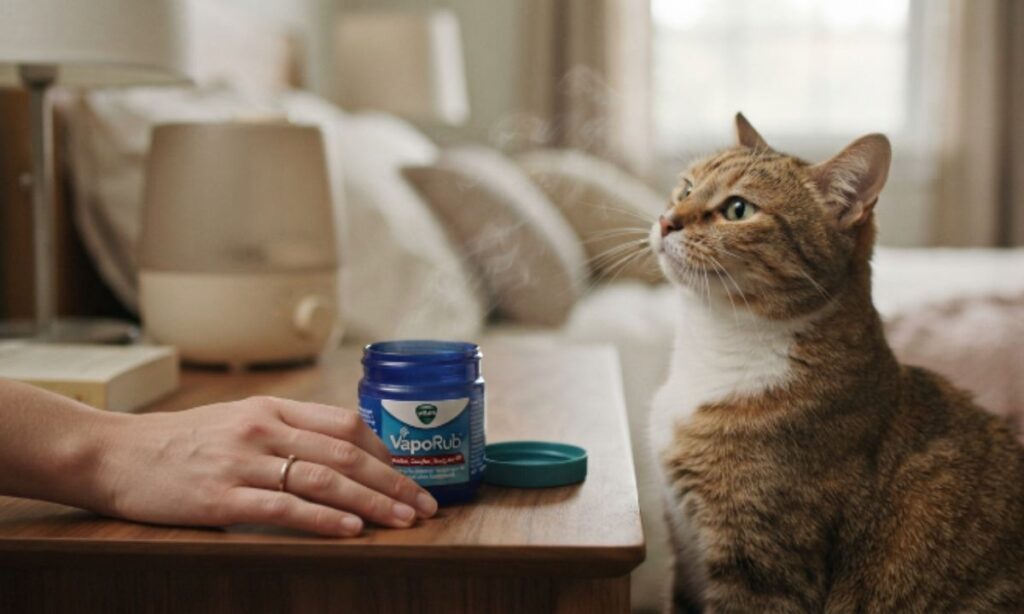
Your cat wandered over, sniffed the Vicks jar sitting on your nightstand, and walked away. It seems harmless, but it’s normal to wonder if that brief encounter could cause a problem. The answer depends on several factors, including which Vicks product was involved, how much your cat came into contact with it, and whether it only smelled the product or actually licked or swallowed some of it.
Cats are incredibly sensitive to many chemicals that humans use every day without giving them a second thought. Their bodies aren’t designed to process certain ingredients found in over-the-counter ointments and vapor rubs. Even when the amount seems small, those ingredients may stay in a cat’s system much longer than they would in a person.
Their powerful sense of smell adds another concern. Strong scents that seem mild to us can be overwhelming for cats and may cause irritation or make them uncomfortable.
How Cats Process Vicks Differently Than Humans
A cat’s liver doesn’t break down some chemicals as efficiently as a human liver does. Because of this, certain compounds can build up instead of leaving the body quickly. That extra time increases the chance of unwanted side effects, especially if the cat is exposed more than once or accidentally swallows some while grooming.
This is one of the biggest reasons veterinarians recommend keeping human medications and topical products away from pets. Something that feels completely ordinary for you may be much harder for your cat to handle.
The Two Main Ingredients That Cause Problems
When people ask whether Vicks is safe for cats, two ingredients usually raise the biggest concerns:
Camphor – This ingredient can irritate a cat’s skin, eyes, nose, and airways. If enough is swallowed, it may affect the nervous system and lead to more serious health problems.
Menthol – Menthol has a very strong odor that can overwhelm a cat’s sensitive nose. In some cases, it may also contribute to breathing discomfort or irritation.
A tiny accidental exposure doesn’t always lead to poisoning, but the real concern is what happens afterward. Cats instinctively groom themselves, so any residue left on their fur can quickly end up being swallowed.
How Cats Get Exposed to Vicks
Most cats aren’t exposed because someone intentionally puts Vicks on them. Instead, contact usually happens during normal daily routines.
Common ways cats come into contact with Vicks:
Rubbing against a person’s chest, neck, or hands after Vicks has been applied.
Licking small amounts left on skin, clothing, blankets, or pillows.
Walking across a counter or bedside table where an open container was left behind.
Breathing in concentrated vapors in a small, poorly ventilated room.
Chewing or playing with the jar or its packaging out of curiosity.
Grooming makes accidental exposure more concerning. Even if your cat only brushes against a little residue, it will often clean its fur within minutes. What started as simple skin contact can quickly become ingestion, which carries a much higher risk than a brief sniff alone.
Symptoms of Vicks Toxicity in Cats
Not every exposure causes a reaction. But if your cat licked or inhaled a meaningful amount, watch for these signs.
Symptom Type
What to Watch For
Mouth and stomach
Drooling, vomiting, loss of appetite, diarrhea
Breathing
Coughing, sneezing, rapid or labored breathing
Skin contact
Redness, irritation, or excessive licking at the site
Nervous system
Wobbliness, tremors, unusual weakness
Behavior
Hiding, restlessness, or sudden lethargy
Mild symptoms can show up within minutes. More serious signs, like tremors or breathing trouble, usually mean a bigger dose was involved and call for immediate veterinary attention.
What to Do If Your Cat Was Exposed to Vicks
If your cat comes into contact with Vicks, staying calm and acting quickly is the best approach. You don’t have to do everything perfectly. A few simple steps can help reduce the risk while you decide what to do next.
Move your cat away from the source. Take your cat to a room with fresh air and make sure they can no longer reach the Vicks jar, treated clothing, or any contaminated surface.
Check the skin and fur. Look for any greasy residue on the coat. If you find some, gently wipe it away with a soft, damp cloth. Avoid scrubbing the area, and don’t use soap, shampoo, or cleaning products unless your veterinarian specifically recommends them.
Avoid home remedies. Don’t try to make your cat vomit, offer milk, or apply essential oils. These common suggestions can do more harm than good and may make treatment more difficult.
Monitor your cat closely. Watch for unusual behavior over the next several hours, even if your cat seems normal at first. Some signs may take time to appear.
Call your veterinarian or an animal poison helpline. If your cat licked Vicks, swallowed any amount, or begins showing symptoms, seek professional advice right away. Keep the product container nearby so you can provide the ingredient list if asked.
Is Vicks VapoSteam Different From Vicks VapoRub?
Not all Vicks products are built the same way, and the differences matter more than people assume.
Product
Common Use
Key Concern for Cats
Vicks VapoRub
Applied to chest or throat
Direct skin contact plus strong scent
Vicks VapoSteam
Added to vaporizers
Airborne exposure in an enclosed room
VapoPads
Placed in humidifiers
Lower direct contact, but still airborne scent
VapoRub sits directly on skin, which raises the risk of a cat licking it off a person. VapoSteam and VapoPads spread scent through the air instead, which shifts the risk toward inhalation rather than ingestion.
Neither route is automatically “safer.” A cat with asthma or another respiratory condition can react to airborne vapor just as strongly as a cat that licked a small smear off someone’s neck.
Safer Alternatives for Cat Congestion
If your cat has a stuffy nose, it’s natural to want to make them feel better as quickly as possible. The safest choice is to avoid human products like Vicks altogether. Cats are much more sensitive to many common ingredients, so remedies that seem harmless to people can create serious health problems for pets. Instead, stick with options that are gentle, simple, and recommended for cats.
Plain-water humidifier – A cool or warm mist humidifier filled with plain water can add moisture to the air, which may help loosen mucus and make breathing a little easier. Avoid adding essential oils, scented liquids, or medicated products, as these can irritate your cat’s airways.
Vet-approved saline drops – Saline drops made or approved for pets can help soften dried nasal discharge and clear mild congestion. Always follow your veterinarian’s instructions, since using the wrong product or applying it incorrectly can cause unnecessary discomfort.
A warm, quiet resting spot – Sick cats recover better when they can rest without stress. Give your cat a cozy bed in a calm area away from loud noises, drafts, and heavy foot traffic. Comfortable surroundings can make a noticeable difference while they recover.
Steam from a warm shower – Running a hot shower and sitting with your cat in the bathroom for several minutes can create gentle steam that helps loosen mucus. Keep your cat outside the shower itself, and don’t force them to stay if they become anxious or uncomfortable.
A vet visit for persistent symptoms – Congestion that lasts longer than a day or two, keeps coming back, or is paired with coughing, sneezing, fever, poor appetite, or trouble breathing—should never be ignored. Your veterinarian can identify the real cause and recommend the right treatment instead of relying on home remedies.
These options avoid the risks linked to ingredients like menthol and camphor, making them much safer choices for your cat.
Store Vicks in a closed cabinet instead of leaving it on a nightstand, bathroom counter, or coffee table.
Wash your hands well after applying it, and change your shirt if your cat likes to cuddle against your chest.
Avoid using Vicks in small, enclosed rooms where your cat spends a lot of time.
Always close the lid tightly after each use to reduce spills and strong odors.
Make sure everyone in your home, especially children, knows that Vicks should never be applied to pets.
A little extra care can prevent an unnecessary emergency. Most cases of Vicks exposure happen because the product was left within reach or someone didn’t realize that a curious cat would investigate it.
Why Cats Are So Sensitive to Strong Smells
This isn’t only about Vicks. Cats have a sense of smell that’s far stronger than ours, and strong scents in general can bother them more than people expect.
Scents that commonly bother cats include:
Citrus, which many cats actively avoid
Certain essential oils, including some types cats can’t safely process
Heavy perfumes or cleaning products
Menthol and camphor-based rubs, including Vicks
A strong smell doesn’t have to be toxic to be unpleasant for a cat. But when a strong smell is paired with ingredients like camphor, the discomfort and the actual health risk can overlap, which is exactly why Vicks draws so much concern from cat owners.
Frequently Asked Questions
Is Vicks bad for cats?
Yes, Vicks can be risky for cats because of ingredients like camphor and menthol, especially if licked or inhaled in a closed space.
Can I use Vicks on my cat directly?
No, Vicks should never be applied directly to a cat’s skin or fur under any circumstances.
Can the smell of Vicks alone hurt my cat?
A strong smell can cause stress or mild respiratory discomfort in sensitive cats, even without direct contact.
What should I do if my cat licked Vicks off my skin?
Wipe any residue off your cat’s fur, watch closely for symptoms, and call your vet if anything seems off.
What can I use instead of Vicks to help my cat’s congestion?
A plain humidifier, vet-approved saline drops, or a warm, steamy bathroom are safer ways to ease mild congestion.
Conclusion
Vicks isn’t formulated with cats in mind, and that gap is exactly why it deserves caution rather than casual use around them. The combination of camphor, menthol, and a cat’s habit of grooming everything it touches creates a real, if often small, risk of irritation or toxicity. Keeping Vicks stored away, watching for symptoms after any accidental contact, and reaching for cat-safe alternatives when congestion strikes will keep your cat comfortable without the guesswork. When in doubt, a quick call to your vet beats any home remedy every time.
I’m a passionate pet writer who loves sharing practical tips, trusted advice, and heartwarming stories about cats, dogs, and other beloved companions. Through PetCaffine.com, I help pet lovers better understand their furry friends with easy-to-read articles on pet care, nutrition, behavior, health, and everyday life.